

Every 10 minutes, the average adult spends 20 minutes scrolling, and the rest of the time is a blend of work, meals, and the occasional workout. The challenge is turning that scrolling into stepping, that sitting into lifting, and that eating into fueling. Below is a no‑frills, data‑driven playbook that will turn the abstract promise of fitness into concrete results.
Understanding Fitness & Health Fundamentals
Fitness is a system. It rests on three pillars: body composition, energy balance, and functional capacity. A clear grasp of each gives you leverage.
Body Composition: Fat vs. Muscle
Weight alone is a poor metric. A 180‑lb person with 30% body fat is less healthy than a 170‑lb person with 20% body fat. Use CDC’s body‑fat measurement guidelines to track progress.
Energy Balance: Calories In vs. Calories Out
Calories consumed minus calories expended equals change in energy stores. The Basal Metabolic Rate (BMR) accounts for 60, 70% of daily expenditure. Use the Mifflin‑St. Jeor equation to estimate BMR accurately.
Functional Capacity: The Body’s Performance Quotient
Functional capacity is the ability to perform daily tasks without injury. It encompasses strength, flexibility, balance, and endurance. A baseline test, such as a timed 2‑mile walk, 30‑second plank, or a one‑leg stand, provides a measurable starting point.
Goal Setting Framework: From Vision to Action
Goals that are Specific, Measurable, Achievable, Relevant, and Time‑bound (SMART) are 10× more likely to be achieved. Add the FITT principle (Frequency, Intensity, Time, Type) to map exercise precisely.
- Example: “Drop 10 lbs in 12 weeks by walking 45 minutes, 5 times a week, and adding 15 minutes of resistance training.”
- Example: “Increase VO₂max by 15% in 16 weeks by cycling 3 times a week, 30 minutes each, at 70% HRmax.”
Write each goal on a sheet and place it where you’ll see it daily. Review and adjust weekly.
Exercise Prescription: The Core of Performance
Cardiovascular Training
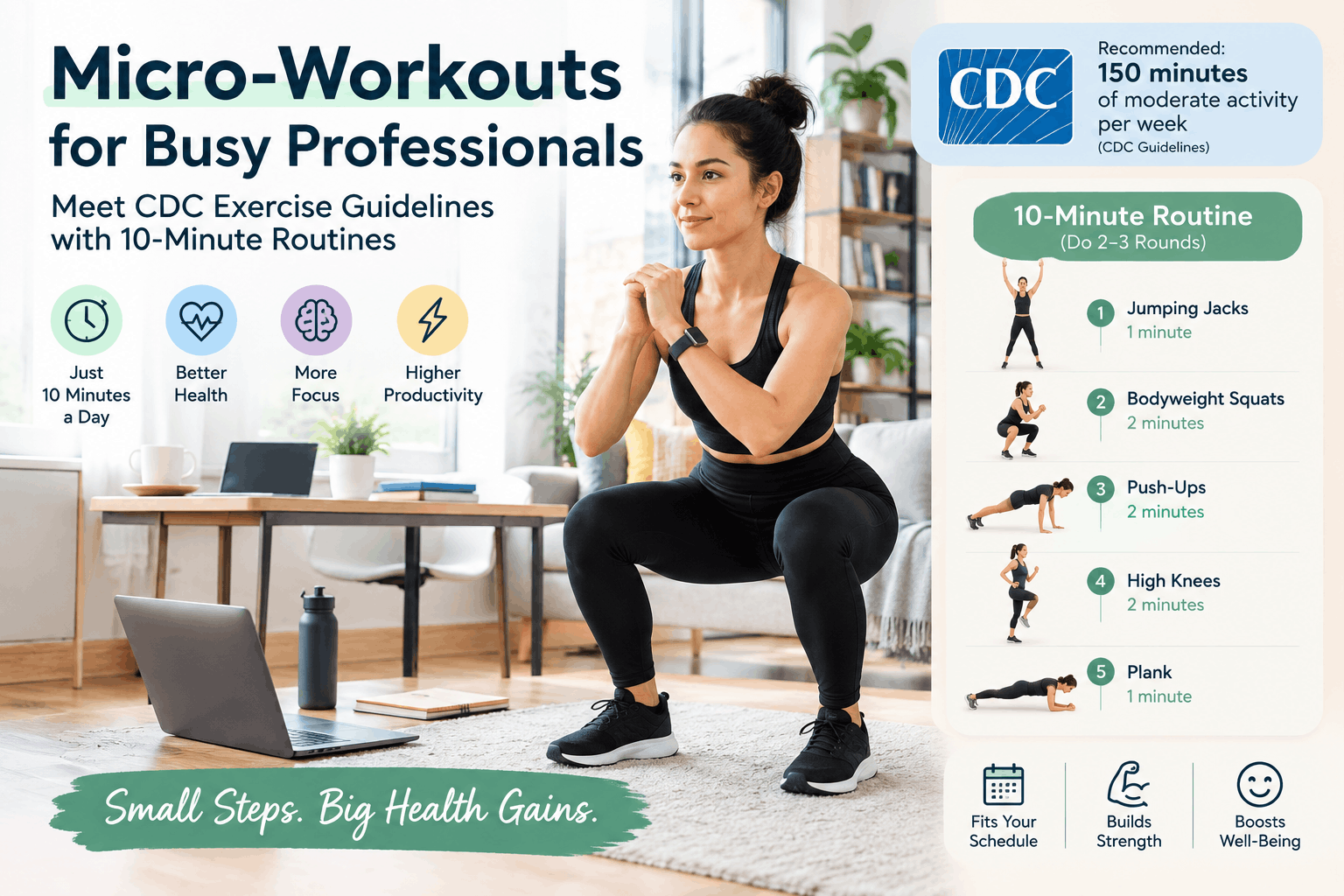
Aim for 150, 300 minutes of moderate activity or 75, 150 minutes of vigorous activity per week. Use a heart‑rate monitor to stay in the target zone (50, 85% of HRmax).
Resistance Training
Structure: 2, 4 sessions per week. Focus on compound movements (squat, deadlift, bench press, pull‑up) to maximize hormone release and muscle recruitment.
- Repetition scheme: 3, 5 sets of 6, 12 reps.
- Progression: Add 5, 10% load every 2, 3 weeks.
Flexibility & Mobility
Incorporate dynamic warm‑ups before workouts and static stretches post‑workout. Add yoga or mobility drills 1, 2 times per week.
Recovery Strategies
Sleep: 7, 9 hours nightly. Hydration: 2, 3 liters daily. Active recovery: light walking or swimming on rest days.
Nutrition Blueprint: Fueling the Engine
Macronutrient Ratios
Typical distribution for active individuals: 45, 55% carbs, 20, 30% protein, 20, 35% fats. Adjust based on training load and body composition goals.
Meal Timing
Pre‑workout: 1, 2 hours before, a carbohydrate‑rich snack (banana, oats). Post‑workout: within 30 minutes, a protein source (whey shake, chicken breast) plus carbs to replenish glycogen.
Micronutrients & Supplements
Key vitamins: Vitamin D (sun exposure or 2000 IU daily), Omega‑3 (1 g EPA/DHA), and Magnesium (400 mg). For athletes, consider a protein powder; for vegetarians, a B12 supplement.
Practical Shopping List
Choose whole foods: leafy greens, berries, lean meats, eggs, nuts. Avoid ultra‑processed items. Healthy snacks from Amazon can bridge the gap when you’re on the go.
Lifestyle Factors: The Hidden Levers
Sleep Hygiene
Maintain a consistent bedtime. Use blue‑light filters before 10 p.m. Keep the bedroom cool (60, 67°F) and dark.
Stress Management
Practice mindfulness, deep breathing, or progressive muscle relaxation. Even 5 minutes of meditation can reduce cortisol.
Hydration Protocol
Drink 0.5, 1.0 ml per pound of body weight daily. Replace electrolytes during prolonged workouts (>60 min) with a sports drink or homemade electrolyte solution.
Tracking & Measurement: Turning Data into Decisions
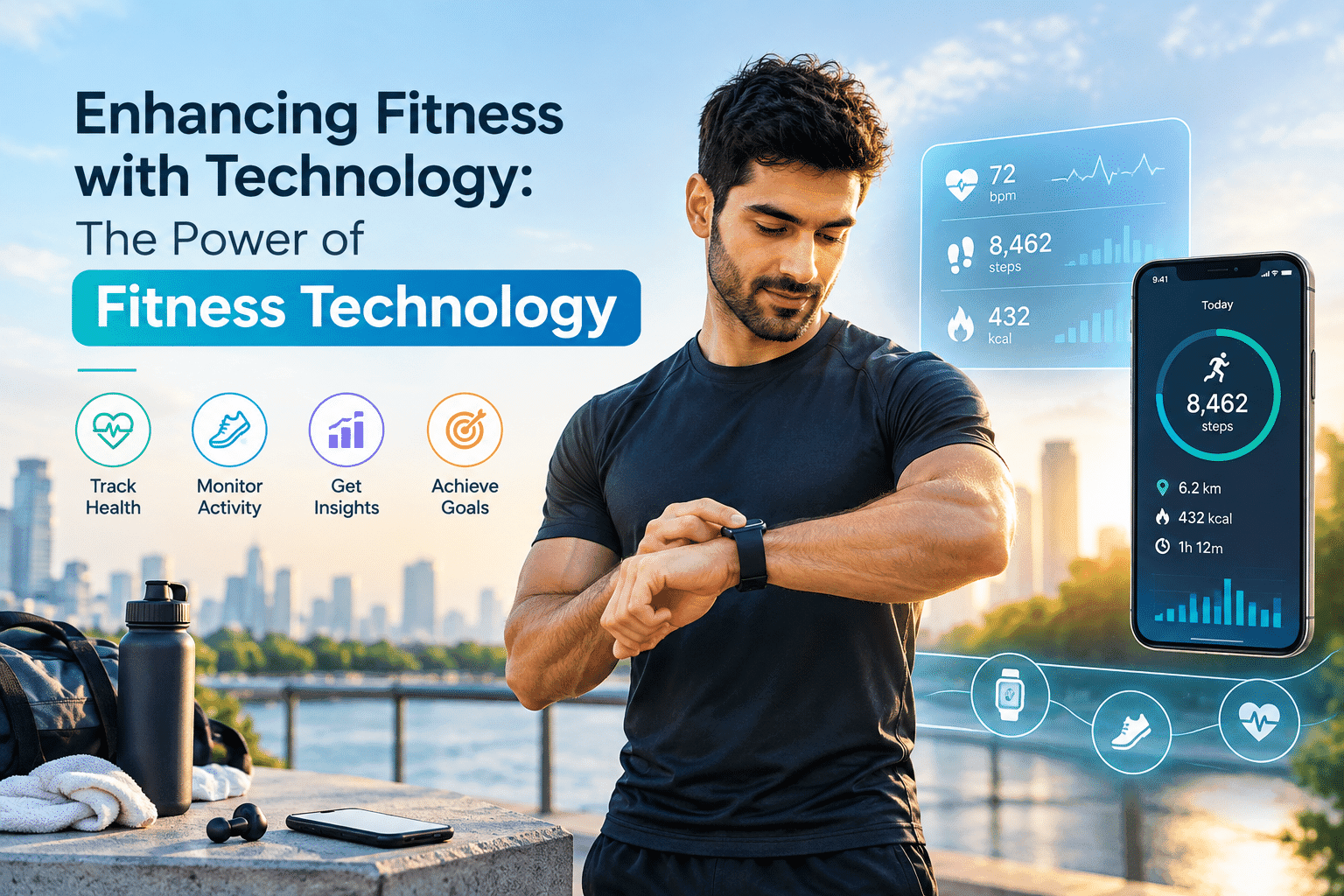
Use a single dashboard to avoid data overload. Fitness trackers like Garmin or Apple Watch give heart‑rate, steps, and VO₂max. Pair with a spreadsheet or an app like MyFitnessPal for nutrition.
- Weekly log: weight, body fat %, key lifts, max heart rate.
- Monthly review: compare against baseline and adjust training load.
Equipment & Gear: Making the Smart Choice
| Equipment | Price (USD) | Pros | Cons |
|---|---|---|---|
| Treadmill | $800, $2000 | Indoor control, incline options, built‑in metrics | Heavy, space‑consuming, high maintenance |
| Elliptical | $500, $1500 | Low impact, full‑body workout, portable | Less calorie burn per minute, can feel repetitive |
| Stationary Bike | $300, $1200 | Excellent for cardio, easy on joints, affordable | Limited muscle engagement, requires proper fit |
| Free Weights Set | $200, $800 | Versatile, scalable, no assembly | Space needed, requires knowledge of form |
| Resistance Bands | $15, $50 | Portable, inexpensive, multi‑muscle | Limited load, durability concerns |
When choosing gear, align the decision with your goals, space, and budget. For example, if your primary aim is weight loss, a treadmill or bike may yield faster results. If you’re focusing on strength, free weights or a home gym setup will be more effective.
Common Pitfalls & How to Overcome
- Inconsistent Tracking, Set a fixed time each week to log data. Automate with apps where possible.
- Plateaus, Change variables: swap 2‑week rep schemes, add a new exercise, or increase intensity by 10%.
- Overtraining, Watch for signs: persistent soreness, decreased performance, insomnia.
- Unrealistic Expectations, Adjust goals quarterly based on progress.
Advanced Strategies for the Seasoned Enthusiast
High‑Intensity Interval Training (HIIT)
Short bursts (20, 45 seconds) of maximal effort followed by equal or longer rest periods. Studies show HIIT can improve VO₂max and insulin sensitivity faster than steady‑state cardio.
Periodization
Organize training into cycles (macro, meso, micro) to systematically vary load and volume. A typical 12‑week cycle might include 4 weeks of hypertrophy, 4 weeks of strength, and 4 weeks of power.
Functional Training
Incorporate bodyweight circuits, kettlebell swings, and TRX rows to enhance neuromuscular coordination and core stability.
Community & Accountability: The Invisible Catalyst
Join a local running club, a CrossFit box, or an online forum. Accountability partners double adherence rates. Use a shared spreadsheet to track workouts and celebrate milestones.
Practical Takeaways: 5 Immediate Steps
- Set a SMART goal and write it on a sticky note on your fridge.
- Purchase a heart‑rate monitor and log your first 5 workouts.
- Plan a weekly meal prep session; buy bulk greens, lean protein, and healthy snacks.
- Schedule two 30‑minute recovery walks post‑workout for the next month.
- Review your progress every Friday; adjust load or nutrition accordingly.
FAQ
What is the best way to measure body fat?
Dual‑energy X‑ray absorptiometry (DEXA) is gold standard, but bioelectrical impedance scales are a convenient at‑home alternative.
How often should I change my workout routine?
Every 4, 6 weeks is ideal to prevent adaptation. Swap exercises or rep schemes within the same muscle group.
Can I lose weight without exercising?
Weight loss is primarily driven by caloric deficit. Exercise adds a metabolic advantage and preserves muscle mass.
Is protein powder necessary?
Not essential if you consume 0.8, 1.0 g/kg of lean body mass from whole foods. Supplements are convenient for busy schedules.
What’s the best sleep environment?
Cool (60, 67°F), dark, and quiet. Use blackout curtains and a white‑noise machine if needed.
Conclusion
Fitness is not a fleeting trend; it’s a science, a habit, and a lifestyle. By mastering the fundamentals, setting actionable goals, prescribing structured training, fueling smartly, and tracking rigorously, you create a self‑reinforcing loop that turns effort into measurable health gains. Start today with the five practical steps above, and watch the transformation unfold.
One thought on “Guide to Fitness & Health: Best Insights”
Comments are closed.