
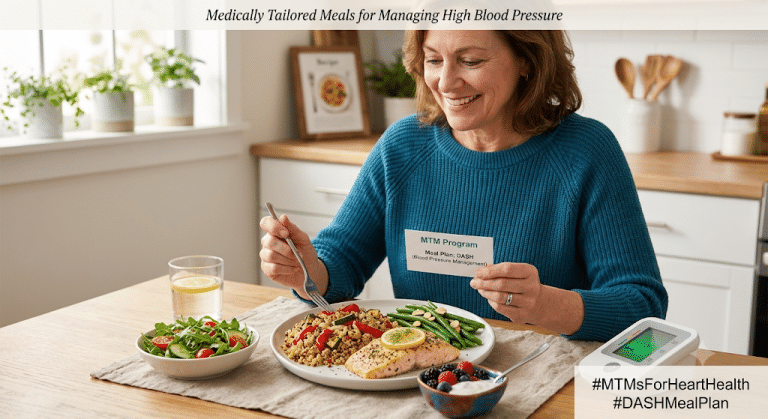
In the United States, 1 in 3 adults carries hypertension, a silent threat that often lingers beneath the surface of everyday life.
Medication is only part of the equation. Food, the invisible partner in every meal, can either amplify or mitigate blood pressure swings. When meals are intentionally crafted, medically tailored, to meet a patient’s unique cardiovascular needs, the result is a tangible, measurable drop in systolic and diastolic numbers. This guide dives deep into the science, offers concrete frameworks, and equips you with tools to translate theory into practice.
Understanding Hypertension and Its Dietary Triggers
Hypertension is not a one-size-fits-all condition. Genetics, age, ethnicity, stress levels, and comorbidities like diabetes or kidney disease create a complex tapestry. Yet, the underlying physiology converges on the same culprits: excess sodium, low potassium, inadequate fiber, and unhealthy fats. The American Heart Association identifies these as the primary dietary modifiable risk factors.
Key points:
- Sodium: Every 100 mg reduction can lower systolic pressure by 1 mmHg.
- Potassium: A 4 mmol/day increase can reduce systolic pressure by 4 mmHg.
- Fiber: High-fiber diets correlate with 2, 3 mmHg lower systolic readings.
- Trans fats: Eliminating them eliminates a 5 mmHg systolic rise.
When designing a meal plan, these metrics become the yardsticks against which success is measured.
The Science of Medically Tailored Meals
“Tailored” means more than just swapping out salt for herbs. It requires a data-driven approach that considers baseline blood pressure, medication regimen, renal function, and lifestyle habits. The process starts with an assessment that yields a nutrient profile: sodium < 2,300 mg/day, potassium > 4,700 mg/day, fiber 25, 30 g/day, and saturated fat < 7% of total calories.
From there, a stepwise framework emerges:
- Baseline assessment: blood pressure logs, medication review, lab values.
- Goal setting: target sodium, potassium, fiber, and caloric intake.
- Menu design: integrate patient preferences, cultural foods, and seasonal ingredients.
- Implementation: batch cooking, portion control, and smart kitchen tools.
- Monitoring: weekly blood pressure checks, dietary logs, and periodic lab updates.
- Adjustment: tweak macronutrient ratios or ingredient substitutions based on response.
Each step is anchored in evidence. For example, the DASH (Dietary Approaches to Stop Hypertension) trial demonstrated a 5, 8 mmHg systolic reduction when sodium was limited to 1,500 mg/day.
Key Nutrients: The Building Blocks of Blood Pressure Control
Below is a concise comparison of nutrient sources, cost, and impact on blood pressure. Use this table as a quick reference when shopping or meal planning.
| Food Group | Typical Serving | Average Cost (USD) | Blood Pressure Impact | Pros | Cons |
|---|---|---|---|---|---|
| Leafy Greens (Spinach, Kale) | 1 cup cooked | $0.80 | High potassium, low sodium | Rich in vitamins, versatile | Can cause stomach upset if overconsumed |
| Whole Grains (Quinoa, Oats) | 1 cup cooked | $0.70 | High fiber, moderate potassium | Low glycemic index | Requires rinsing to remove phytic acid |
| Lean Protein (Skinless chicken, lentils) | 3 oz cooked | $1.20 | Low saturated fat, moderate potassium | Satiety, easy to cook | May contain added sodium in processed forms |
| Fatty Fish (Salmon, mackerel) | 3 oz cooked | $3.00 | Omega‑3 fatty acids, moderate sodium | Supports endothelial function | Higher cost; risk of mercury in some species |
| Low‑fat Dairy (Greek yogurt, milk) | 1 cup | $0.90 | Potassium, calcium, low sodium | Probiotic benefits | Potential lactose intolerance |
| Fresh Fruits (Berries, apples) | 1 cup | $1.50 | High fiber, potassium, antioxidants | Sweet, portable | Higher sugar content; cost varies seasonally |
When budgeting, remember that investing in a high-quality blender or food processor can reduce waste and prep time. Consider upgrading your kitchen arsenal with a smart appliance from Amazon kitchen appliances.
Meal Prep Strategies That Stick
Consistency is the secret sauce. Here’s a pragmatic, low‑friction approach.
- Batch Cook: Allocate 90 minutes on Sunday to cook proteins, grains, and roasted veggies. Store in portioned containers.
- Use Portion-Control Containers: A 4‑inch wide container with a 1‑inch divider keeps protein on one side and veggies on the other.
- Label Everything: Date and contents on a waterproof sticker.
- Smart Kitchen Tools: A pressure cooker can reduce cooking time by 60%. Pair it with a smart travel accessory that doubles as a portable charger for your kitchen gadgets.
- Prep Snacks: Portion nuts, seeds, or Greek yogurt into single-serving cups.
When you have a pre‑organized fridge, the temptation to reach for a processed snack evaporates.
Grocery Shopping: A Tactical Checklist
Shopping with intent reduces impulsive purchases. Follow this checklist each week.
- Write a list that matches your meal plan, no “just in case” items.
- Shop the perimeter first: fresh produce, dairy, meats.
- Read labels: sodium < 800 mg per serving, potassium > 200 mg.
- Choose whole foods over processed.
- Check the nutrition panel for fiber content.
- Use a barcode scanner app to compare brands on sodium and potassium.
Consider using a healthy snack subscription to keep the pantry stocked with low-sodium, high-potassium options.
Sample 7‑Day Menu: From Breakfast to Dinner
Each day is balanced to hit sodium < 1,500 mg, potassium > 4,700 mg, fiber 25, 30 g, and calories 1,800, 2,200 (adjust for individual needs).
Day 1
Breakfast: Overnight oats with blueberries, chia seeds, and unsweetened almond milk. Potassium 550 mg, Fiber 10 g.
Snack: Low‑fat Greek yogurt with sliced strawberries. Potassium 200 mg, Fiber 2 g.
Lunch: Grilled skinless chicken breast (3 oz), quinoa (1 cup), steamed broccoli. Potassium 650 mg, Fiber 8 g, Sodium 250 mg.
Snack: Apple slices with almond butter. Potassium 200 mg, Fiber 5 g.
Dinner: Baked salmon (3 oz), sweet potato mash, sautéed kale. Potassium 1,200 mg, Fiber 6 g, Sodium 300 mg.
Repeat variations for Days 2, 7, rotating proteins (lentils, turkey), grains (brown rice, farro), and vegetables (carrots, Brussels sprouts).
Meal Delivery Services Tailored for Hypertension
When time is scarce, vetted meal delivery can bridge the gap. Look for plans that specify sodium and potassium content. Some providers offer “Low Sodium, High Potassium” packages that come with a nutritional breakdown per meal.
Example: A subscription that delivers 3 meals per day, each under 1,500 mg sodium, can be paired with a travel-friendly meal organizer to keep the fridge organized.
Monitoring Progress: The Feedback Loop
Track readings at the same time each morning, before breakfast. Record in a dedicated log. Every two weeks, review:
- Average systolic/diastolic.
- Any spikes after a particular meal.
- Medication adjustments with your clinician.
Use a simple spreadsheet or a health app that syncs with your wearable. The data becomes the compass that guides tweaks.
Common Pitfalls and How to Avoid Them
Even the best plans can falter. Keep an eye on these traps.
- Overreliance on “low-sodium” labels, some products still contain hidden sodium.
- Neglecting potassium, aim for a variety of fruits and veggies.
- Skipping fiber, fiber is a silent supporter of blood pressure control.
- Eating out, always ask for no added salt and watch portion sizes.
- Ignoring medication interactions, some antihypertensives affect potassium levels.
Practical Takeaways & Actionable Steps
- Create a 7‑day meal calendar using the sample menu as a template.
- Shop the perimeter of the grocery store and read labels for sodium and potassium.
- Batch cook proteins and grains, portion into labeled containers.
- Use a pressure cooker or slow cooker to reduce prep time.
- Track blood pressure and dietary intake weekly.
- Adjust sodium or potassium levels based on readings and lab results.
- Consider a meal delivery service for days when time is tight.
- Set a weekly reminder to review medication side effects with your provider.
- Replace processed snacks with fresh fruit or nuts.
- Use a smart kitchen appliance to streamline prep.
Resources & Tools
For those who want to dive deeper:
- American Heart Association DASH Diet Guidelines.
- National Heart, Lung, and Blood Institute’s Hypertension Resources.
- Nutrition apps that track sodium, potassium, and fiber.
- Smart kitchen appliances from Amazon kitchen appliances.
- Low-sodium snack options from healthy snack subscription.
Frequently Asked Questions
Q1: Can I still enjoy my favorite salty foods?
A: Moderation is key. Use herbs, citrus, or vinegar to flavor instead of salt. Keep a sodium log to stay within limits.
Q2: How much potassium should I aim for daily?
A: The general recommendation is 4,700 mg for adults, but if you’re on potassium‑sparing medication, your clinician may advise a lower target.
Q3: Are meal delivery services reliable for hypertension?
A: Yes, if they provide a nutritional profile. Verify sodium and potassium values before subscribing.
Q4: What if I have kidney disease?
A: Kidney patients often need potassium restrictions. Work with a renal dietitian to adjust the plan accordingly.
Q5: How do I know if my meal plan is effective?
A: Look for a consistent drop of at least 5 mmHg in systolic readings over 3, 6 months, alongside improved lab markers.
By aligning food choices with the body’s physiological needs, medically tailored meals become a powerful ally against hypertension. The framework above equips you to take control, one plate at a time.
One thought on “Medically Tailored Meals for Blood Pressure”
Comments are closed.