Introduction
When it comes to improving your health, the first step is to understand the science behind what you eat. Because nutrition is the foundation of energy, immunity, and longevity, a well-structured guide can transform the way you approach food. Moreover, this article will walk you through the latest diet trends, practical tools, and common pitfalls so you can make informed choices.
Many people are overwhelmed by the sheer volume of diet information available online. Consequently, they often default to fad diets that promise quick results but lack scientific backing. Therefore, this guide will provide balanced, evidence-based insights that you can adapt to your lifestyle.
To make the journey smoother, we’ll also highlight useful products-such as kitchen appliances and healthy food snacks-that can help you stay on track.
Understanding the Basics of Nutrition
Nutrition science focuses on the nutrients your body requires to function optimally. Specifically, nutrients are divided into macronutrients and micronutrients. In contrast, many people overlook the importance of both categories and focus solely on calorie counts.
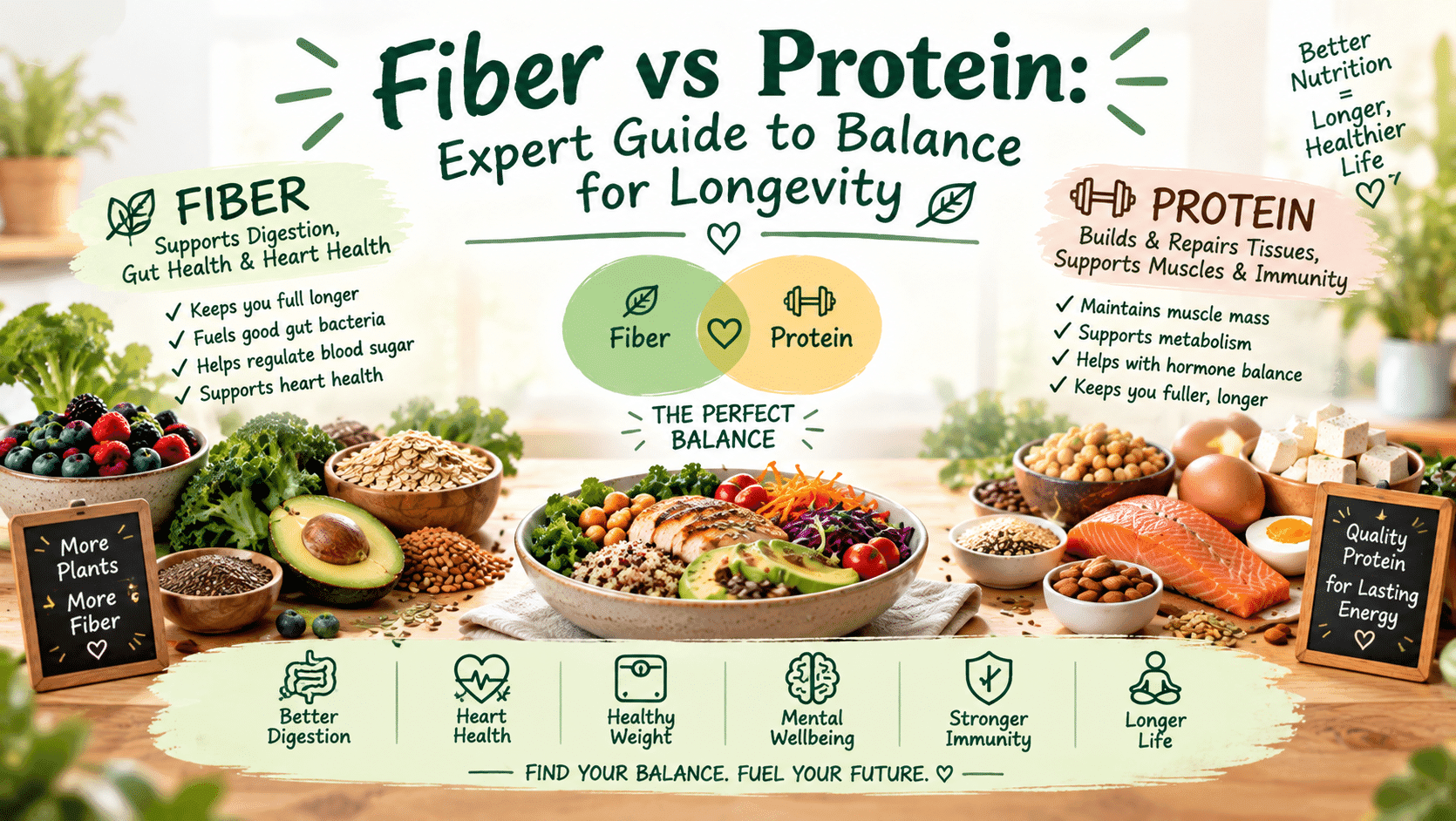
Macronutrients-carbohydrates, proteins, and fats-provide energy and structural components for cells. Because each macronutrient plays a unique role, balancing them is essential for sustained health. Additionally, micronutrients-vitamins and minerals-regulate metabolic pathways and protect against disease.
Macronutrients
Carbohydrates are the body’s preferred energy source, especially for brain function. However, not all carbs are equal; complex carbs like whole grains offer steady glucose release, whereas simple sugars can cause energy spikes and crashes. Therefore, prioritizing complex carbohydrates leads to better satiety and blood-sugar control.
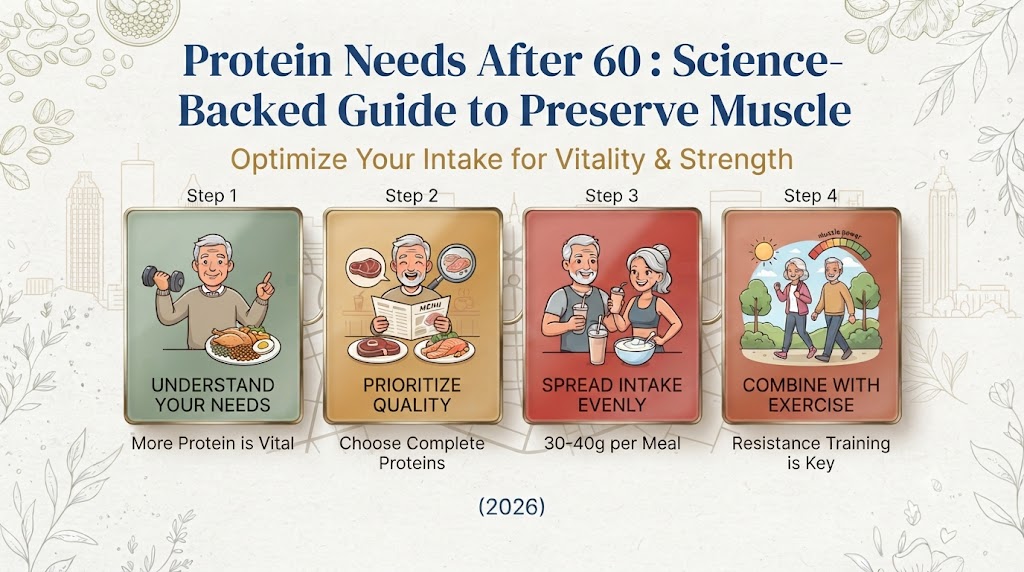
Proteins are the building blocks of muscles, enzymes, and hormones. Consequently, adequate protein intake supports tissue repair and immune function. Furthermore, high-quality protein sources such as lean meats, legumes, and dairy provide essential amino acids that the body cannot synthesize.
Fats are critical for hormone production, nutrient absorption, and cell membrane integrity. Importantly, unsaturated fats-found in nuts, seeds, and fish-offer cardiovascular benefits. Conversely, excessive saturated and trans fats increase the risk of heart disease, so moderation is key.
Micronutrients
Vitamins like A, C, D, and B-complex support immune health, vision, bone density, and energy metabolism. For example, vitamin C enhances iron absorption, which is vital for oxygen transport. Therefore, a varied diet rich in colorful fruits and vegetables ensures a broad spectrum of vitamins.
Minerals such as calcium, magnesium, and zinc play structural and enzymatic roles. In addition, iron and iodine are essential for thyroid function and red-blood-cell production. Consequently, regular consumption of dairy, leafy greens, and seaweed can prevent deficiencies.
Because the body needs these micronutrients in smaller amounts, they are often referred to as “vitamin and mineral micronutrients.” Nevertheless, they are as crucial as macronutrients, and a deficiency can lead to serious health complications.
Popular Diet Trends Explained
Modern diets often claim to be the “best” for everyone, yet each has its own scientific merits and limitations. Below we dissect the most popular approaches so you can determine which aligns with your goals.
By examining the evidence and practicalities, you can avoid the pitfalls that many diet enthusiasts encounter. Furthermore, understanding the core principles allows you to adapt any plan to your personal preferences.
Mediterranean Diet
The Mediterranean diet emphasizes whole foods, healthy fats, and moderate wine consumption. Because it is rich in antioxidants and omega-3 fatty acids, it reduces inflammation and lowers cardiovascular risk. Additionally, studies show that long-term adherence improves longevity and cognitive function.
Key components include olive oil, nuts, legumes, fish, whole grains, and fresh produce. In contrast to highly processed foods, this diet promotes satiety and stable energy levels. Consequently, many people find it sustainable and enjoyable.
Keto Diet
The ketogenic diet drastically reduces carbohydrate intake to induce a metabolic state called ketosis. During ketosis, the body burns fat for fuel, producing ketone bodies that serve as an alternative energy source. Therefore, many users report rapid weight loss and improved mental clarity.
However, the diet’s restrictive nature can lead to nutrient deficiencies, especially if plant foods are limited. Moreover, the high saturated fat intake may raise LDL cholesterol in some individuals. Thus, it is essential to monitor blood markers and consult a professional.
Plant-Based Diet
A plant-based diet focuses on vegetables, fruits, legumes, nuts, and seeds while minimizing animal products. Because plant foods are high in fiber, phytochemicals, and low in saturated fat, this approach is linked to reduced risk of chronic diseases. Furthermore, it often promotes weight management due to lower calorie density.
Nonetheless, careful planning is required to ensure adequate protein, B12, iron, and omega-3 intake. In addition, some plant proteins may lack certain essential amino acids, so combining sources is advisable. Therefore, a balanced plant-based plan can be both nutritious and sustainable.
Intermittent Fasting
Intermittent fasting (IF) alternates periods of eating with periods of abstinence. Common patterns include 16/8 (fasting for 16 hours, eating in an 8-hour window) and 5:2 (five days of normal eating, two days of calorie restriction). Because fasting triggers cellular repair mechanisms, IF may improve insulin sensitivity and reduce inflammation.
However, IF is not suitable for everyone; individuals with certain medical conditions or those who are pregnant should avoid it. Additionally, overeating during the eating window can negate the benefits. Therefore, mindful portion control and nutrient timing are crucial.
Crafting a Personalized Nutrition Plan
While the above diets provide frameworks, personalizing your plan ensures it fits your lifestyle, preferences, and health goals. This section outlines a step-by-step strategy to create a diet that works for you.
Because everyone’s metabolism and activity level differ, a one-size-fits-all approach rarely succeeds. Consequently, tailoring your nutrition to your unique needs maximizes adherence and results.
Step 1: Assess Your Goals
Begin by defining clear, measurable objectives-such as losing 10 pounds, improving blood glucose, or building muscle. Because goal clarity guides food choices, write them down and revisit them regularly. Furthermore, consider both short-term milestones and long-term health markers.
Next, evaluate your current eating habits using a food diary for a week. This snapshot reveals hidden patterns and emotional triggers. In contrast, an unstructured approach can lead to misguided adjustments. Therefore, data-driven insight is your first advantage.
Step 2: Calculate Your Calorie Needs
Use a basal metabolic rate (BMR) calculator to estimate your resting energy expenditure. Then add your activity level to determine total daily energy expenditure (TDEE). Because caloric intake directly influences weight change, adjust your goal accordingly.
For weight loss, create a moderate deficit of 500-750 calories per day. However, avoid extreme reductions, as they can cause muscle loss and metabolic slowdown. Moreover, incorporate a protein target of 0.8-1.0 grams per pound of lean body mass to preserve muscle mass.
Step 3: Build a Balanced Plate
Adopt the “plate method”: fill half your plate with non-starchy vegetables, one quarter with lean protein, and one quarter with complex carbs. Because this visual guide promotes portion control, it reduces the temptation to overeat.
Additionally, prioritize whole foods over processed items. For example, swap white rice for quinoa or brown rice, and choose whole-grain bread instead of white. In contrast, processed snacks often contain hidden sugars and unhealthy fats.
Step 4: Track and Adjust
Utilize a nutrition app to log meals, macronutrients, and micronutrients. Because real-time tracking reveals imbalances, you can make timely adjustments. Furthermore, review your progress weekly to keep motivation high.
When you notice persistent fatigue or nutrient gaps, consider supplementing with a multivitamin or specific nutrients. However, supplements should complement a balanced diet, not replace it. Therefore, periodic blood tests can guide supplementation decisions.
Practical Tools and Resources
Equipping yourself with the right tools can streamline meal planning, preparation, and tracking. Below are essential items and resources that support a healthy lifestyle.
From kitchen gadgets to mobile apps, each item can reduce the friction associated with healthy eating. Consequently, you’ll find it easier to stay consistent and enjoy the process.
Food Scale & Measuring Cups
Accurate portion control starts with reliable measuring tools. A digital food scale provides precision, especially for protein powders and nuts. Because many people overestimate portions, a scale can prevent hidden calorie overconsumption.
Pair the scale with measuring cups for grains and liquids. In addition, a set of reusable containers helps organize pre-pped meals. Therefore, investing in basic kitchen tools pays dividends in the long run.
Meal Prep Kitchen Appliances
High-quality appliances-such as slow cookers, air fryers, and induction burners-can save time and preserve nutrients. For instance, an air fryer reduces oil usage while delivering crispy textures, making it a healthier alternative to deep frying.
Moreover, a good set of stainless-steel cookware ensures even heating and durability. Consequently, these appliances reduce the temptation to order takeout, helping you stay on track with your nutrition plan.
Smart Apps & Tracking
Mobile applications like MyFitnessPal, Cronometer, or Lose It! enable detailed nutrient tracking. Because they sync with wearable devices, you can monitor calories, macronutrients, and even micronutrient intake.
In addition, wellness platforms such as wellness and fitness apps integrate exercise data, sleep patterns, and stress levels, providing a holistic view of your health.
Supplements & Snacks
When whole foods fall short, targeted supplements can fill nutrient gaps. For example, omega-3 capsules support heart health, while vitamin D helps maintain bone density.
Additionally, healthy food snacks-such as nuts, seeds, or dried fruit-can curb cravings without derailing your calorie goals. Because these snacks are nutrient-dense, they satisfy hunger while providing essential micronutrients.
Common Pitfalls and How to Avoid Them
Even with the best intentions, many people stumble on common nutrition mistakes. Identifying these pitfalls early can save time, money, and frustration.
Because awareness is the first step toward correction, let’s explore each issue and actionable solutions.
Overemphasis on Calories
Focusing solely on calorie counts often leads to nutrient-poor choices. For example, a diet high in refined carbs can satisfy a calorie goal yet lack fiber and vitamins.
Instead, prioritize nutrient density: choose foods that provide vitamins, minerals, and antioxidants per calorie. Consequently, you’ll feel fuller and healthier without compromising your energy needs.
Ignoring Food Quality
Low-quality foods can sabotage health goals, even if they fit within a calorie budget. Processed meats, sugary drinks, and refined grains contribute to inflammation and chronic disease.
Therefore, adopt a “clean eating” mindset: emphasize whole grains, lean proteins, and colorful produce. In contrast, limit foods that are high in added sugars, trans fats, and sodium.
Neglecting Hydration
Dehydration can mimic hunger, leading to overeating. Moreover, water is essential for digestion, circulation, and thermoregulation.
Set a daily water target-typically 8-12 cups-and incorporate hydrating foods such as cucumbers, oranges, and soups. Consequently, proper hydration supports metabolic efficiency and satiety.
Skipping Meals
Meal skipping often results in excessive hunger and subsequent binge eating. Additionally, irregular eating patterns can destabilize blood glucose and hormone levels.
Instead, aim for consistent meal timing, even if the portions are modest. In contrast, occasional fasts-such as intermittent fasting-can be beneficial when planned correctly.
Frequently Asked Questions
- Q: Can I follow a plant-based diet and still get enough protein?
A: Yes. Combine legumes, nuts, seeds, and whole grains throughout the day. For example, pair lentils with brown rice to cover all essential amino acids.
- Q: Is intermittent fasting safe for people with diabetes?
A: It can be safe if monitored carefully. Always consult your healthcare provider and consider glucose monitoring during fasting periods.
- Q: How do I know if I’m getting enough micronutrients?
A: Regular blood tests and a balanced diet rich in fruits, vegetables, and lean proteins usually suffice. Supplements are only needed if deficiencies are identified.
- Q: What’s the best way to avoid emotional eating?
A: Keep healthy snacks on hand, practice mindful eating, and identify triggers. In addition, regular exercise can reduce stress and improve mood.
- Q: Can I use a kitchen appliance to reduce cooking time without sacrificing nutrition?
A: Yes. For instance, pressure cookers cook vegetables quickly while preserving vitamins. Air fryers require less oil, reducing calorie density.
Closing Thoughts
Nutrition is a dynamic field that blends science, personal preference, and lifestyle. By understanding the fundamentals, evaluating popular diets, and tailoring a plan to your goals, you can achieve sustainable health improvements.
Ultimately, consistency trumps perfection. Because small, realistic changes accumulate over time, focus on gradual progress rather than overnight miracles. In addition, remember that food is both nourishment and enjoyment-so celebrate your journey every step of the way.