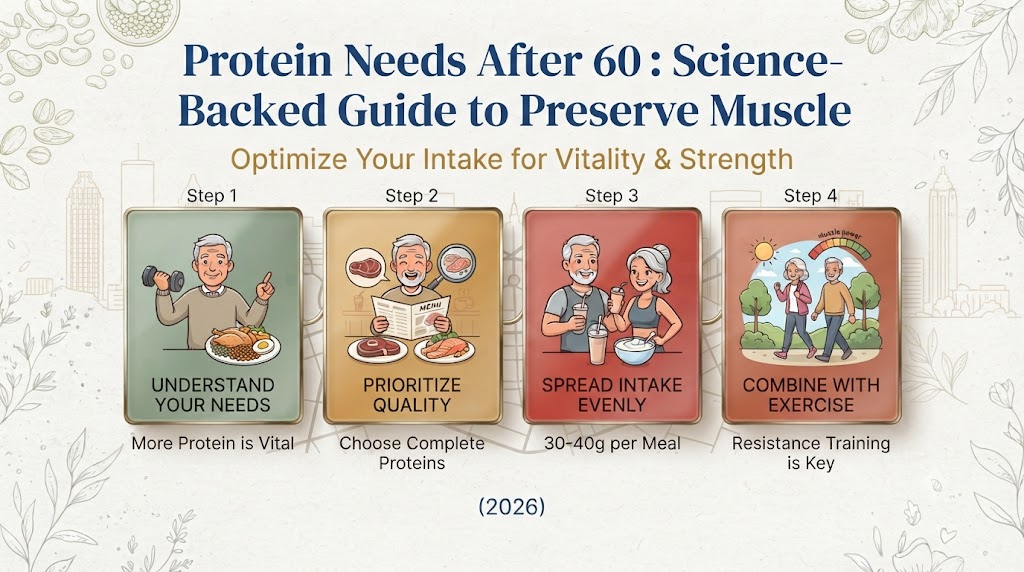
Maintaining muscle mass becomes a top priority after the age of 60, and protein is the cornerstone nutrient that fuels that effort. This guide translates the latest research into practical steps you can apply today—whether you’re a senior, a caregiver, or a health‑conscious adult looking to stay strong.
Why Protein Matters After 60
Sarcopenia, the age‑related loss of muscle fibers, can begin as early as the fifth decade and accelerates after 60. Even a modest 1%‑2% loss per year translates into reduced strength, slower metabolism, and higher fall risk.
Research links adequate protein intake to better functional outcomes, lower incidence of frailty, and improved recovery from illness or surgery. In short, protein isn’t just about building muscle; it supports immune function, bone health, and overall vitality in later life.
Science‑Backed Daily Protein Recommendations
The current Recommended Dietary Allowance (RDA) for protein is 0.8 g per kilogram of body weight for adults. However, multiple expert panels now suggest 1.0‑1.2 g/kg for healthy seniors and up to 1.2‑1.5 g/kg for those who are active or recovering from illness.
Individual needs vary:
- Body weight: A 70‑kg (154‑lb) adult would aim for 70‑84 g of protein per day under the higher guideline.
- Physical activity: Resistance training or regular walking can push the target toward the upper range.
- Health status: Chronic kidney disease, severe liver disease, or certain medications may require tailored intake under medical supervision.
Best Protein Sources for Seniors
Choosing foods that are both protein‑dense and easy to digest maximizes benefit.
Animal‑Based Options
- Lean poultry (chicken, turkey) – 25‑30 g protein per 100 g.
- Fish, especially fatty varieties like salmon – 20‑22 g per 100 g plus omega‑3s.
- Dairy – Greek yogurt (10 g per 100 g) and low‑fat cottage cheese (11 g per 100 g).
- Eggs – 6 g per large egg; the yolk adds essential vitamins.
Plant‑Based Options
- Legumes (lentils, chickpeas) – 8‑9 g protein per ½ cup cooked.
- Tofu and tempeh – 15‑20 g per 100 g; both are complete proteins.
- Quinoa – 4‑5 g per ½ cup cooked, plus fiber and minerals.
When possible, combine plant proteins (e.g., beans + rice) to achieve a full amino‑acid profile.
Optimizing Protein Timing and Distribution
Muscle protein synthesis (MPS) peaks when about 20‑30 g of high‑quality protein is consumed in a single sitting. Spreading intake across 3‑4 meals ensures each trigger is maximized.
Typical distribution for a 70‑kg senior aiming for 80 g/day:
- Breakfast – 20 g
- Lunch – 20 g
- Dinner – 25 g
- Snack – 15 g (e.g., Greek yogurt or a protein shake)
Pairing protein with resistance exercise (2‑3 sessions per week) amplifies MPS and helps preserve lean mass.
When and How to Use Protein Supplements
Supplements can fill gaps, especially when appetite is reduced or cooking is challenging.
Types of Supplements
- Whey isolate: Fast‑digesting, high leucine content; ideal post‑workout.
- Casein: Slow‑release, good before bedtime.
- Plant blends: Pea‑rice or soy‑based mixes for vegans or those with dairy intolerance.
Choose formulas that are low in added sugars and fortified with calcium and vitamin D, which support bone health.
General dosage: 20‑30 g per serving, taken once or twice daily as needed. Always consult a healthcare professional if you have kidney concerns or are on medication that could interact with high protein loads.
For a convenient, senior‑friendly option, consider the premium whey‑protein powder that dissolves easily in water or milk.
Integrating Protein with Overall Diet Quality
Protein should sit within a balanced macronutrient pattern. The Mediterranean‑style diet—rich in olive oil, whole grains, fruits, vegetables, and fish—provides heart‑healthy fats and antioxidants while delivering ample protein.
Pair protein sources with fiber‑rich foods to support gut health and satiety. For example, a salmon fillet served with quinoa and roasted broccoli delivers a synergistic mix of protein, omega‑3s, fiber, and micronutrients.
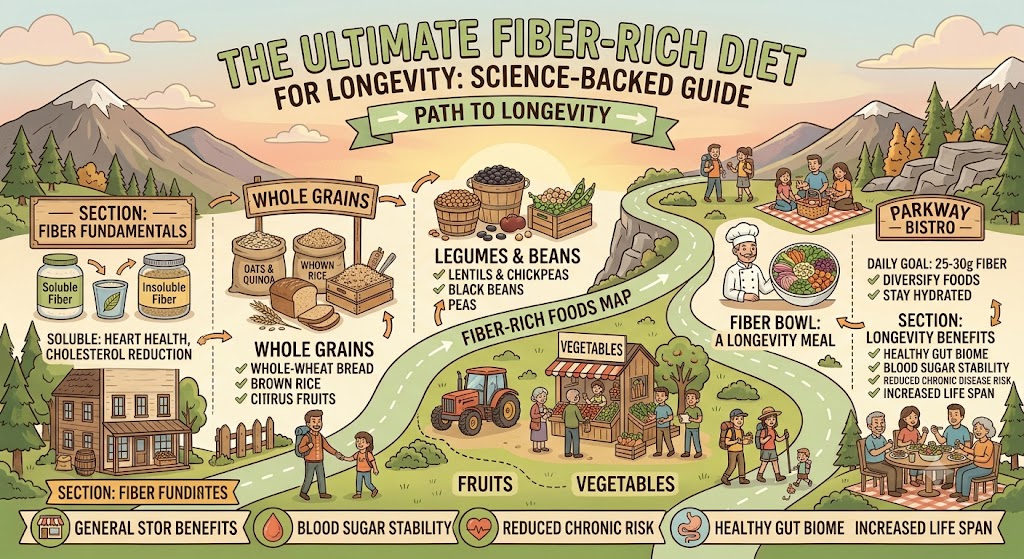
Read more about the link between fiber and longevity in our Ultimate Fiber‑Rich Diet for Longevity guide.
Sample Day‑Long Meal Plan for a 70‑Year‑Old
Below is a practical, 2,200‑calorie plan that meets roughly 85 g of protein.
- Breakfast (20 g protein): 2 scrambled eggs (12 g), ½ cup low‑fat cottage cheese (11 g), 1 slice whole‑grain toast, and a handful of berries.
- Mid‑morning Snack (15 g protein): ¾ cup Greek yogurt (15 g) with a drizzle of honey.
- Lunch (20 g protein): Grilled chicken breast (100 g, 25 g protein) sliced over mixed greens, cherry tomatoes, cucumber, 1 tbsp olive oil vinaigrette, and ½ cup cooked quinoa (4 g protein).
- Afternoon Snack (10 g protein): 1 oz almonds (6 g) plus a small apple.
- Dinner (25 g protein): Baked salmon (120 g, 27 g protein) with roasted Brussels sprouts and sweet potato wedges.
Grocery tip: Buy frozen fish fillets and pre‑washed salad mixes to reduce prep time while preserving nutrient quality.
Common Myths and FAQs
Myth: High protein harms kidneys in seniors
For individuals with normal kidney function, research shows that protein intakes up to 1.5 g/kg are safe. Those with pre‑existing kidney disease should follow physician‑guided limits.
FAQ: Can vegetarians meet protein needs without meat?
Yes. Combining legumes, nuts, dairy, and soy products can easily reach 1.0‑1.2 g/kg. A daily pattern of tofu stir‑fry, lentil soup, and Greek yogurt covers both quantity and quality.
Action Checklist & Resources
Daily Protein Tracker
- Calculate target grams (weight × desired g/kg).
- Log each meal’s protein amount.
- Ensure 20‑30 g per main meal.
- Include a resistance‑training session 2‑3 times weekly.
Helpful links:
For more on balancing protein with bone health, see our Protein‑Rich Diet for Men 40+ article.
By applying these evidence‑based steps, adults over 60 can protect muscle, support metabolism, and enjoy a higher quality of life.