
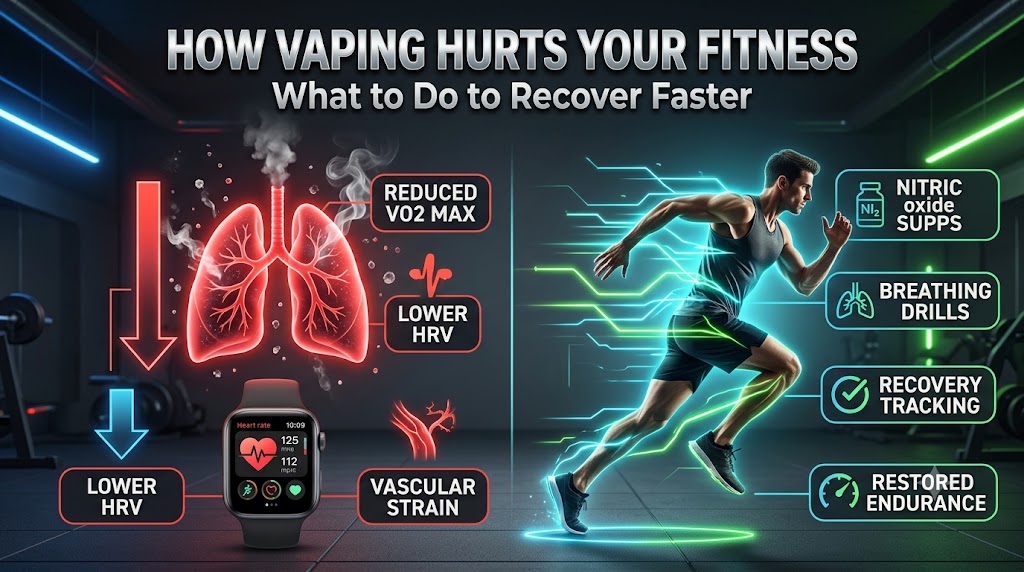
Vaping is marketed as a harmless alternative to smoking, yet growing research shows it can silently sabotage the very systems that power your workouts. If you’re a young adult who loves the gym, runs miles, or pushes limits in HIIT, the chemicals in e‑cigarette vapor may be eroding your VO2 max, slowing recovery, and raising injury risk. This article breaks down the science, explains how vaping shows up in your performance metrics, and equips you with a step‑by‑step recovery plan so you can reclaim peak fitness faster.
Understanding How Vaping Affects Your Cardiovascular System
E‑cigarettes heat a liquid—often called e‑juice—that contains propylene glycol, vegetable glycerin, flavorings, and nicotine. When inhaled, the liquid turns into an aerosol of microscopic particles that travel deep into the lungs.
Nicotine and Vascular Tone
Nicotine is a potent vasoconstrictor. It triggers the release of adrenaline, which narrows blood vessels, raises heart rate, and spikes blood pressure. Repeated exposure forces the endothelium (the inner lining of arteries) to work harder, leading to reduced nitric oxide production—a key molecule that keeps vessels relaxed and blood flowing smoothly.
Other Vapor Chemicals
Beyond nicotine, flavoring agents such as diacetyl and cinnamaldehyde have been linked to inflammation and oxidative stress. These compounds can damage the endothelial cells, impairing their ability to regulate blood flow during exercise.
Key Findings from Recent Medical Research
A 2023 News‑Medical study measured flow‑mediated dilation (FMD) in 60 regular vapers versus non‑vapers. The vapers displayed a 12% reduction in FMD, indicating poorer vessel flexibility. The same study reported elevated markers of arterial stiffness after just three months of daily vaping. In plain terms: your arteries become less elastic, which translates to higher workload for the heart during any cardio session.
Direct Impact on Fitness Performance Metrics
VO2 Max and Aerobic Capacity
VO2 max—the maximum amount of oxygen your body can use during intense exercise—is the gold standard for aerobic fitness. Nicotine-induced vasoconstriction limits oxygen delivery to working muscles, while aerosol‑related inflammation reduces lung diffusion capacity. The net effect is a measurable drop in VO2 max, often ranging from 4% to 8% in habitual vapers.
Heart Rate Variability (HRV) and Recovery Speed
HRV reflects the balance between sympathetic (fight‑or‑flight) and parasympathetic (rest‑and‑digest) activity. Studies show that vapers have lower resting HRV, meaning their autonomic nervous system stays in a heightened stress state longer after workouts. Lower HRV correlates with slower glycogen replenishment, prolonged muscle soreness, and a higher chance of overtraining.
How Vaping Stacks Up Against Traditional Cigarettes
While traditional cigarettes deliver far more tar, vaping still carries cardiovascular penalties. A comparative trial found that, after six weeks, vapers experienced a 5% VO2 max decline versus a 9% decline in smokers. The gap narrows because both deliver nicotine, but the aerosol’s unique chemicals add a separate layer of vascular strain.
Real‑World Implications for Different Types of Workouts
Endurance Sports (Running, Cycling)
Endurance athletes rely on efficient oxygen transport. Even a modest 5% VO2 max loss can translate to a 30‑second slower 5K time or a noticeable dip in power output on the bike. Vapers often report “breathlessness” during long runs, a symptom of reduced pulmonary diffusion and compromised capillary recruitment.
High‑Intensity Interval Training (HIIT)
HIIT pushes the heart to its limits in short bursts. Impaired HRV means the body stays in a sympathetic mode between intervals, delaying the rapid heart‑rate drop that signals readiness for the next sprint. The result: fewer high‑quality intervals, reduced training stimulus, and stalled performance gains.
Strength Training and Muscle Oxygenation
While strength work is anaerobic, muscle oxygenation still matters for recovery between sets. Poor vascular health reduces the speed at which oxygen‑rich blood clears lactate, leading to quicker fatigue and weaker lifts. Vapers frequently notice a drop in bench‑press reps after a month of regular vaping.
Science‑Backed Strategies to Counteract Vaping Damage
Step‑by‑Step Quitting Plan
- Set a quit date. Mark it on your calendar and treat it like a race day.
- Identify triggers. Stress, post‑workout cravings, or social settings often cue a vape.
- Replace the habit. Use nicotine‑replacement patches or gum for 4‑6 weeks while you wean off.
- Seek support. Join online forums, use apps like QuitNow!, or consult a cessation counselor.
- Track progress. Log cravings, mood, and performance metrics in a journal.
For reputable resources, the CDC’s quit guide offers free counseling and a printable plan.
Breathing and Lung‑Capacity Drills
- Diaphragmatic breathing. 5 minutes twice daily, inhaling through the nose for a count of 4, exhaling through the mouth for a count of 6. This strengthens the diaphragm and improves tidal volume.
- Box breathing. 4‑4‑4‑4 pattern during cool‑down to reset the autonomic nervous system and boost HRV.
- Interval hypoxic training. Short, controlled breath‑holds (10‑15 seconds) during low‑intensity cardio can stimulate capillary growth, but only after you’ve cleared the lungs of vapor residues.
Nutrition and Supplements for Vascular Health
Repairing endothelial damage requires antioxidants, omega‑3 fatty acids, and nutrients that support nitric oxide production.
- Beetroot juice or nitrate‑rich greens. Boosts nitric oxide, enhancing vessel dilation.
- Fatty fish (salmon, mackerel) or algae‑based EPA/DHA supplements. Reduce inflammation and improve arterial compliance.
- Vitamin C and E. Neutralize oxidative stress from vapor chemicals.
- Magnesium. Helps regulate vascular tone and supports muscle relaxation.
Pair these foods with a balanced diet rich in whole grains, legumes, and colorful vegetables for optimal recovery.
Tools & Tech That Can Help You Track Recovery
Modern wearables give you real‑time insight into the metrics that vaping hurts most.
- HRV‑focused fitness trackers. Devices like the Whoop strap or Oura Ring continuously monitor heart‑rate variability, letting you see when your autonomic balance improves after quitting.
- SpO₂ sensors. Wrist‑based pulse oximeters (e.g., Garmin Vivosmart 5) track oxygen saturation during sleep, a useful proxy for lung recovery.
- For athletes who prefer an all‑in‑one solution, the recommended tool combines HRV, SpO₂, and training load analytics in a single dashboard.
Pair hardware with software: the AI Fitness Tracker guide explains how machine‑learning algorithms personalize workouts based on your recovery data.
Frequently Asked Questions
Can occasional vaping still hurt performance?
Yes. Even infrequent sessions cause acute nicotine spikes that constrict vessels for up to an hour. If you vape before a high‑intensity session, you’ll likely see a temporary dip in power output and slower HRV recovery.
How long does it take to see fitness gains after quitting?
Most studies report measurable improvements in VO2 max and HRV within 4‑6 weeks of complete abstinence, provided you combine quitting with targeted breathing drills and proper nutrition.
Is there a safe level of nicotine for athletes?
Current evidence suggests any nicotine dose imposes some vascular stress. The safest approach for performance‑focused athletes is zero nicotine.
Conclusion & Action Checklist
Vaping may seem harmless, but its chemicals directly impair the cardiovascular system that fuels every rep, run, and ride. Reduced VO2 max, lower HRV, and stiffer arteries translate into slower times, weaker lifts, and longer recovery periods. The good news is that quitting, combined with deliberate breathing work, nutrient‑dense nutrition, and data‑driven tracking, can reverse much of the damage within weeks.
Print the checklist below, place it on your fridge or gym wall, and tick off each item daily.
- Set a quit date and announce it to a workout buddy.
- Replace vape cravings with nicotine‑replacement patches for 4 weeks.
- Do diaphragmatic breathing for 5 minutes each morning.
- Consume beetroot juice or nitrate‑rich greens before cardio sessions.
- Take a daily omega‑3 supplement (1,000 mg EPA/DHA).
- Log HRV and SpO₂ each morning using a wearable.
- Review progress weekly; adjust breathing drills or nutrition as needed.
By following these steps, you’ll restore vascular health, boost VO2 max, and get back to crushing personal bests—without the hidden cost of vapor.