
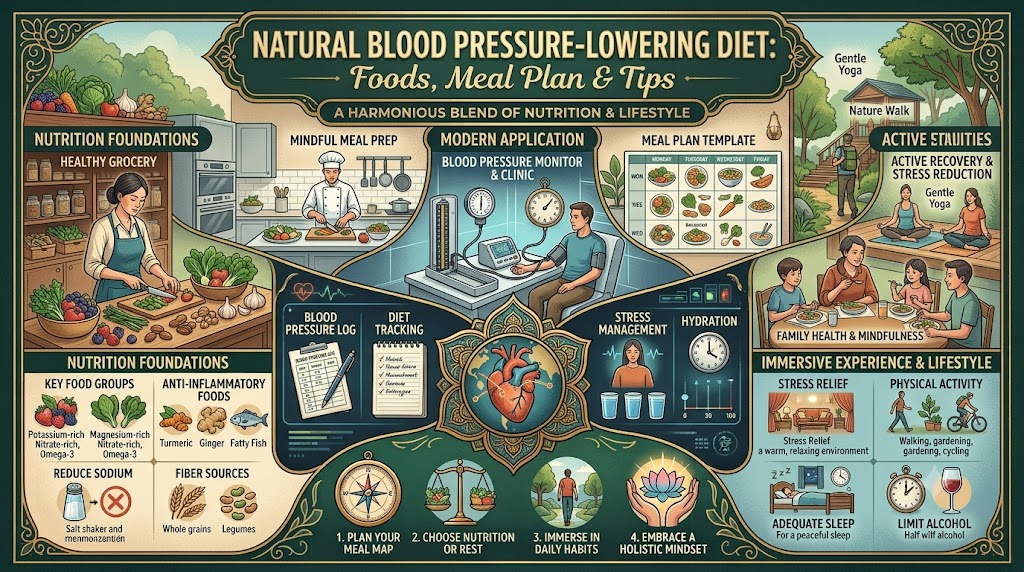
High blood pressure doesn’t have to be managed solely with medication—what you eat can dramatically influence your numbers. This guide walks you through the science‑backed foods, a ready‑to‑use 7‑day menu, and lifestyle habits that together form a powerful diet to lower blood pressure. By the end, you’ll have a practical plan you can start today.
Understanding Hypertension and Why Diet Matters
Hypertension, or high blood pressure, affects roughly one in three adults worldwide and is a leading risk factor for heart disease, stroke, and kidney failure. Systolic pressure above 130 mmHg or diastolic above 80 mmHg signals that the cardiovascular system is under chronic strain.
Diet plays a central role because the foods we consume directly affect blood volume, arterial stiffness, and hormone balance. Sodium pulls water into the bloodstream, raising volume; potassium, magnesium, and fiber help vessels relax and improve endothelial function. Over the past two decades, large‑scale trials have shown that shifting to patterns rich in whole grains, fruits, vegetables, and lean protein can lower systolic pressure by 5–10 mmHg—often comparable to a first‑line medication.
The two most studied eating patterns are the DASH diet (Dietary Approaches to Stop Hypertension) and the Mediterranean diet. Both emphasize low sodium, high potassium, and abundant plant foods, providing a solid foundation for a natural hypertension diet.
Top Clinically Proven Blood‑Pressure‑Lowering Foods
Whole Grains
Whole grains such as oats, brown rice, quinoa, and barley supply soluble fiber that improves insulin sensitivity and reduces arterial stiffness. A 2018 meta‑analysis of 13 randomized trials found that participants who added at least three servings of whole grains per day experienced an average drop of 3 mmHg in systolic pressure.
Apples
Apples are rich in polyphenols, especially flavonoids like quercetin. The Harvard Nurses’ Health Study followed over 80,000 women for 20 years and reported that those eating two or more apples daily had a 7 % lower risk of developing hypertension. The benefit is linked to improved nitric oxide production, which relaxes blood vessels.
Potassium‑Rich Options
Potassium counteracts sodium’s effect on blood pressure. Bananas, sweet potatoes, white beans, and lentils each provide 400–800 mg of potassium per serving. Consuming five servings of potassium‑rich foods per day has been associated with a 4–6 mmHg reduction in systolic pressure.
Leafy Greens and Nitrate Content
Spinach, arugula, kale, and beet greens are high in dietary nitrates, which the body converts to nitric oxide. A 2015 crossover study showed that a nitrate‑rich salad lowered systolic pressure by 5 mmHg within 24 hours.
Low‑Sodium Strategies and Herbs/Spices
Reducing sodium to under 1,500 mg daily is a cornerstone of any blood‑pressure‑friendly diet. Flavor can be maintained with garlic, rosemary, thyme, cumin, and lemon juice. Research published in the Journal of Clinical Hypertension demonstrated that a herb‑spice‑enhanced low‑sodium diet improved blood pressure control more than a low‑sodium diet alone.
Building a Blood‑Pressure‑Friendly Meal Plan
Below is a sample 7‑day menu that meets the DASH recommendations while staying under 1,500 mg of sodium per day. Portion sizes follow the USDA MyPlate guidelines: 2‑3 cups of vegetables, 1‑2 cups of fruit, 6‑8 ounces of grains, and 5‑6 ounces of protein daily.
Day 1
- Breakfast: Overnight oats with sliced apple, cinnamon, and a handful of walnuts.
- Lunch: Quinoa salad with chickpeas, diced bell pepper, spinach, lemon‑olive oil dressing.
- Dinner: Grilled salmon, roasted sweet potatoes, and steamed broccoli.
- Snack: Low‑fat Greek yogurt with a drizzle of honey.
Day 2
- Breakfast: Whole‑grain toast, avocado mash, and a boiled egg.
- Lunch: Lentil soup (low‑sodium broth) with a side of mixed greens.
- Dinner: Stir‑fried tofu, brown rice, and a mix of kale, carrots, and snap peas seasoned with ginger and garlic.
- Snack: A banana.
Day 3
- Breakfast: Smoothie with frozen berries, banana, spinach, and unsweetened almond milk.
- Lunch: Turkey wrap in a whole‑wheat tortilla, lettuce, tomato, and a smear of hummus.
- Dinner: Baked cod, quinoa pilaf with parsley, and roasted Brussels sprouts.
- Snack: A small handful of unsalted almonds.
Day 4‑7
Repeat the pattern, rotating proteins (chicken breast, beans, shrimp) and vegetables (beets, zucchini, cauliflower). Ensure each day includes at least one fruit, one serving of nuts or seeds, and two servings of potassium‑rich foods.
Portion Guidance
• Grains: ½ cup cooked equals one serving.
• Vegetables: 1 cup raw or ½ cup cooked equals one serving.
• Fruit: 1 medium piece or ½ cup sliced.
• Protein: 3‑4 oz cooked (≈ the size of a deck of cards).
• Nuts/Seeds: 1 oz (≈ a small handful).
Grocery List (Brand‑Agnostic)
- Whole‑grain oats, brown rice, quinoa, whole‑wheat tortillas
- Fresh apples, bananas, berries, citrus
- Spinach, kale, arugula, broccoli, sweet potatoes, carrots, bell peppers
- Low‑sodium canned beans, lentils, chickpeas
- Salmon, cod, skinless chicken breast, tofu, turkey slices
- Greek yogurt, unsweetened almond milk, olive oil, vinegar, herbs, spices
Meal‑Prep Tips
- Cook a large batch of grains on Sunday; portion into containers for quick reheating.
- Wash and pre‑chop vegetables, storing them in airtight bags to maintain crunch.
- Use a low‑sodium broth concentrate (no added salt) for soups and stir‑fries.
- Measure salt with a teaspoon‑level spoon; aim for ≤½ tsp per day.
Lifestyle Enhancements that Boost Dietary Effects
Food is a powerful tool, but pairing it with other healthy habits magnifies results.
Physical Activity
Aim for at least 150 minutes of moderate aerobic exercise (brisk walking, cycling) per week. A 2020 review found that regular activity lowered systolic pressure by an average of 4 mmHg, independent of diet.
Stress Management & Sleep Hygiene
Chronic stress spikes cortisol, which can raise blood pressure. Techniques such as deep breathing, yoga, or a short daily walk help. Quality sleep (7‑9 hours) also supports vascular health; for tips on sleep‑supporting foods, see the Top Foods to Improve Sleep Quality: Science‑Backed Nighttime Nutrition.
Alcohol & Tobacco
Limit alcohol to ≤2 drinks per day for men and ≤1 for women; excess intake can increase pressure by 2–3 mmHg. Smoking cessation is critical—nicotine constricts blood vessels and accelerates atherosclerosis.
Home Blood‑Pressure Monitoring
Invest in a reliable cuff (for example, the recommended tool) and record readings each morning and evening. Tracking trends helps you adjust diet and activity before a doctor’s visit.
Frequently Asked Questions
Can the diet replace medication?
For many people, a well‑structured natural hypertension diet can reduce or even eliminate the need for medication, but you should never stop prescribed drugs without consulting your physician.
How quickly can results appear?
Most studies report measurable drops (3–8 mmHg) within 2–4 weeks of strict adherence, especially when sodium is reduced and potassium intake is increased.
Is the diet safe for people with other conditions?
Generally yes, but individuals with chronic kidney disease may need to moderate potassium. Always discuss major dietary changes with your healthcare provider.
What to do when dining out or traveling?
Choose grilled or baked proteins, request sauces on the side, and prioritize vegetable‑rich sides. Carry a portable snack (e.g., a piece of fruit or unsalted nuts) to avoid high‑sodium convenience foods.
Conclusion & Next Steps
Adopting a diet to lower blood pressure is a sustainable, evidence‑based strategy that can lower your risk of heart disease, improve energy, and empower you to take charge of your health. Start by swapping refined grains for whole grains, adding a daily apple, and incorporating potassium‑rich vegetables. Use the 7‑day meal plan as a launchpad, track your numbers, and adjust as needed.
Ready to monitor progress? Download our free blood pressure tracker and begin your journey toward a calmer, healthier heart.
One thought on “Natural Blood Pressure‑Lowering Diet: Foods, Meal Plan & Tips”
Comments are closed.