
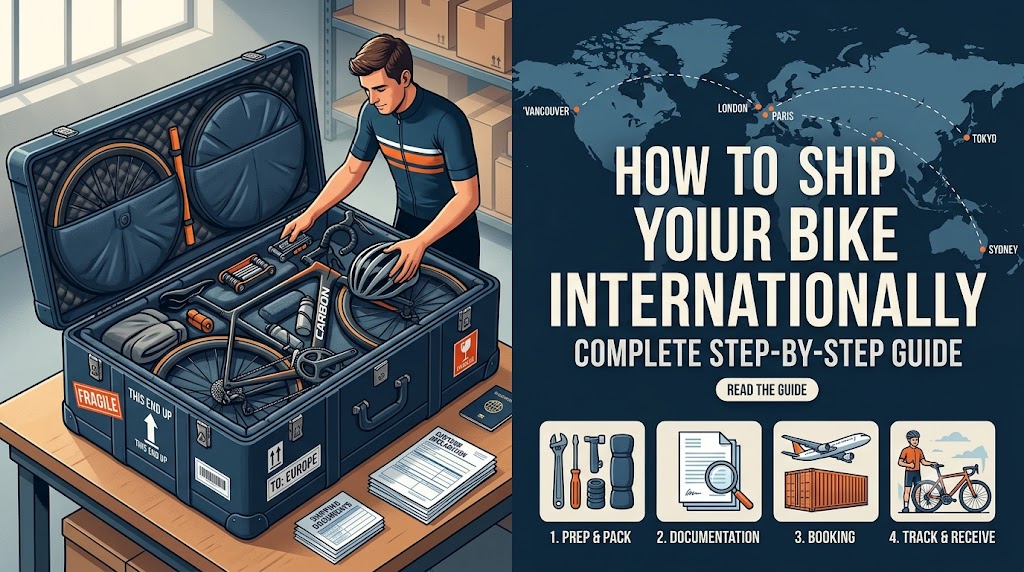
Shipping a bike across borders can feel as complex as planning the ride itself. Whether you’re racing the Alps, tackling the Pacific Coast Highway, or embarking on a multi‑continent bike tour, getting your machine to the destination safely and affordably is crucial. This guide walks you through every decision point—from airline policies to packing techniques, customs paperwork to cost calculations—so you can focus on the road ahead.
Why Ship Your Bike Internationally?
Renting a bike abroad is tempting, but seasoned cyclists often find it limiting. A rental may not match the fit, geometry, or component setup you’ve trained on, which can affect performance and increase injury risk. Shipping your own bike preserves the exact feel you trust, lets you bring high‑end components, and often proves cheaper than a month‑long rental, especially in Europe where daily rates can exceed $30 per bike.
Financially, shipping makes sense when the total cost—including fees, insurance, and possible customs duties—stays below the combined expense of a rental plus the loss of training time on an unfamiliar machine. Performance‑wise, a familiar bike ensures you can ride at your planned power output from day one, an advantage for race participants and time‑critical adventure itineraries.
Understanding Airline and Freight Policies
Airlines treat bicycles as oversized luggage, but fee structures vary widely.
- Delta Air Lines: $150‑$200 each way for a standard bike box, plus a $30 overweight fee if the packed weight exceeds 50 lb.
- United Airlines: $150 for a bike box; they allow a second bike for a $125 surcharge.
- Lufthansa: €150‑€200, with a discount for pre‑booking and a strict 32 kg weight limit.
Beyond the checked‑bag option, many carriers offer dedicated cargo services that handle bikes separately, reducing the risk of rough handling. Freight forwarders specialize in door‑to‑door transport and often bundle customs clearance, which can simplify the process for longer trips.
Choosing the Right Shipping Method
Three primary routes exist: air freight, sea freight, and door‑to‑door bike couriers.
Air Freight
Fastest (1‑5 days) and ideal for race schedules. Costs range from $150 to $300 depending on distance and weight. The trade‑off is higher price and limited handling protection.
Sea Freight
Cheapest for bulky shipments (often <$100 for a 20‑kg bike) but takes 2‑6 weeks. Best for long‑term relocations or multi‑bike shipments where time is flexible.
Door‑to‑Door Bike Couriers
Companies like BikeFlights or ShipBikes combine air freight with dedicated handling, insurance, and customs support. Expect a premium (usually $200‑$350) for the convenience and peace of mind.
For most adventure travelers, a door‑to‑door courier offers the best balance of speed, cost, and care.
Step‑by‑Step Packing Process
Proper packing protects your frame, wheels, and components from the jostle of cargo holds.
- Disassemble key components: Remove pedals, front wheel, and rear wheel. Loosen the handlebars and rotate them parallel to the frame. If you have a carbon fork, consider removing it to avoid pressure points.
- Select an appropriate case or box: Hard‑shell cases (e.g., Pelican) provide the most protection but are heavy. A reinforced bike box from a bike shop works well for air freight. For sea freight, a double‑wall cardboard box with internal bracing is sufficient.
- Protect the frame: Wrap the frame in foam pipe insulation or bubble wrap. Use cardboard sheets between the frame and the box walls. Secure everything with zip ties—avoid over‑tightening, which can damage carbon fiber.
- Secure wheels and accessories: Place each wheel in a separate wheel bag, then pack them side‑by‑side with the frame. Pack small parts (derailleurs, brake levers) in a zip‑lock bag and tape it to the inside of the case.
- Label and document contents: Affix a clear “FRAGILE – BICYCLE” label on each side. Include a printed copy of the bike shipping checklist inside the box and attach a copy of the commercial invoice to the exterior for customs.
Selecting a Bike Shipping Service
Three vetted providers dominate the market:
- BikeFlights – specializes in air freight with real‑time tracking and optional insurance.
- ShipBikes – offers door‑to‑door service, customs handling, and a price‑match guarantee.
- LuggageForward – integrates bike shipping with broader luggage logistics, useful for travelers with multiple items.
When comparing quotes, look beyond price: check reviews for handling care, confirm insurance coverage (most providers offer up to $2,000 in liability), and verify that customs paperwork is included. For an extra layer of protection, consider the recommended tool for securing bike frames inside boxes.
Customs, Duties, and Insurance
International shipments must clear customs just like any other goods.
- Required forms: A CN22 customs declaration (for parcels under 2 kg) or a commercial invoice for larger shipments. Include the bike’s HS code (8712.00) and its declared value.
- Estimating duties: The EU typically applies a 0% duty on bicycles but charges VAT (≈20%). Australia imposes a 5% GST plus possible import processing charges. Japan’s duty is 0% with a 10% consumption tax.
- Insurance: Choose coverage based on the bike’s replacement value. Reputable insurers such as World Courier or the shipping company’s own policy can cover loss, theft, and damage. Keep receipts and photographs for claim support.
Booking, Tracking, and Arrival Tips
Timing matters. Book at least 2‑3 weeks before departure to lock in lower rates and secure space on the desired flight. Most couriers provide a tracking number that updates at each checkpoint—download the provider’s app for push notifications.
Upon arrival, inspect the package immediately. If you notice dents, broken seals, or missing parts, document the damage with photos and file a claim within 48 hours. For a smooth pickup, arrange a local bike shop to receive the shipment; they can re‑assemble the bike on the spot and verify everything is intact.
For teams handling multiple bikes, consider reading our guide on team travel logistics to streamline coordination.
Cost Breakdown Example
Scenario: A 20‑kg road bike shipped from New York City (JFK) to Paris (CDG) via a door‑to‑door courier.
- Base air freight fee: $180
- Packaging (hard‑shell case): $45
- Customs broker fee: $30
- Insurance (up to $3,000 value, 2% premium): $60
- International fuel surcharge (5% of base fee): $9
- Total estimated cost: $324
This example shows that even with insurance and packaging, the total remains competitive with a week‑long bike rental in Paris (~$400). Adjust the numbers for sea freight (roughly 40% cheaper) if your schedule permits.
FAQs and Common Mistakes to Avoid
Can I ship a fully assembled bike?
Technically yes, but most airlines and couriers require the bike to be partially disassembled. Fully assembled bikes are more likely to be damaged, and they may exceed weight limits, resulting in extra fees.
What should I do if the bike is damaged in transit?
Immediately photograph the damage, notify the carrier, and file a claim with your insurer. Keep all original packaging, as insurers often require it for verification.
Do I need to declare the bike’s value?
Yes. Accurate declaration speeds customs clearance and ensures adequate insurance coverage. Undervaluing the bike can lead to claim denials.
Is it worth paying for a dedicated bike freight service?
If you’re transporting a high‑value carbon bike or have a tight race schedule, the added cost for specialized handling and faster clearance is usually justified.
Conclusion and Quick Checklist
Shipping a bike internationally boils down to three pillars: proper packing, clear paperwork, and choosing the right service. Follow the steps outlined above, double‑check each item on the checklist, and you’ll arrive at your destination with a bike that’s ready to ride.
Printable 10‑Point Pre‑Shipping Checklist
- Confirm airline or courier fee structure and weight limits.
- Obtain a sturdy bike box or hard‑shell case.
- Disassemble pedals, wheels, and handlebars.
- Wrap frame with foam or bubble wrap; secure with zip ties.
- Pack wheels in separate bags and cushion with cardboard.
- Label the package “FRAGILE – BICYCLE” on all sides.
- Complete a commercial invoice and CN22 form (include HS code 8712.00).
- Purchase insurance covering the bike’s full replacement value.
- Book the shipment at least 2‑3 weeks in advance.
- Track the shipment and inspect immediately on arrival.



One thought on “How to Ship Your Bike Internationally: Complete Step‑by‑Step Guide”
Comments are closed.