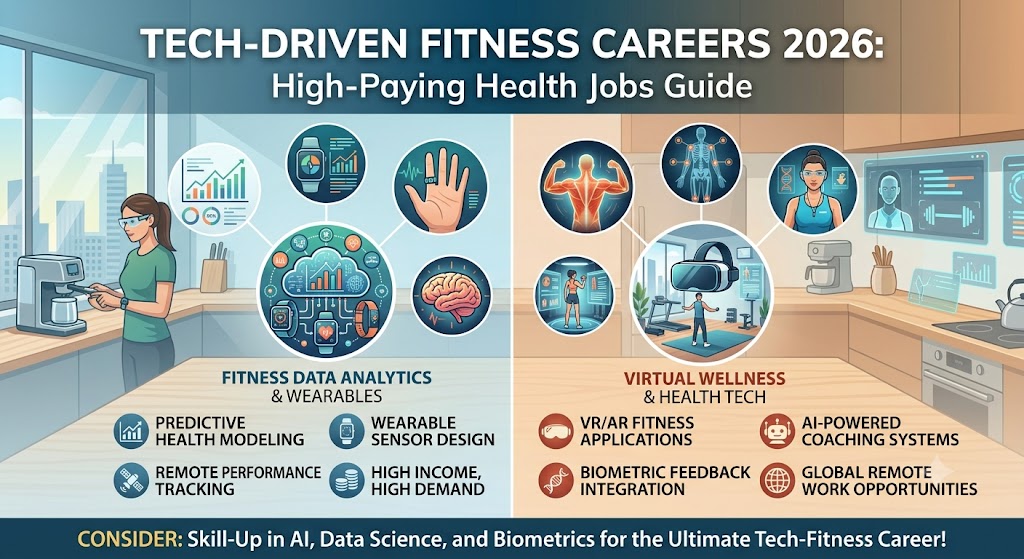
The intersection of health, data, and cutting‑edge hardware is reshaping the job market faster than any traditional fitness role. If you are a recent graduate, a career changer, or a seasoned trainer looking to earn a six‑figure salary, the tech‑driven fitness sector offers a clear pathway to high‑paying, future‑proof positions. This guide breaks down why the industry is exploding, which roles command the best compensation, the education and certifications you need, and concrete steps to land your first tech‑focused fitness job in 2026.
Why Tech-Driven Fitness is Booming
- Industry growth projections. IBISWorld forecasts the global fitness‑technology market to expand at a compound annual growth rate (CAGR) of roughly 12% through 2026, pushing total revenue past $30 billion.
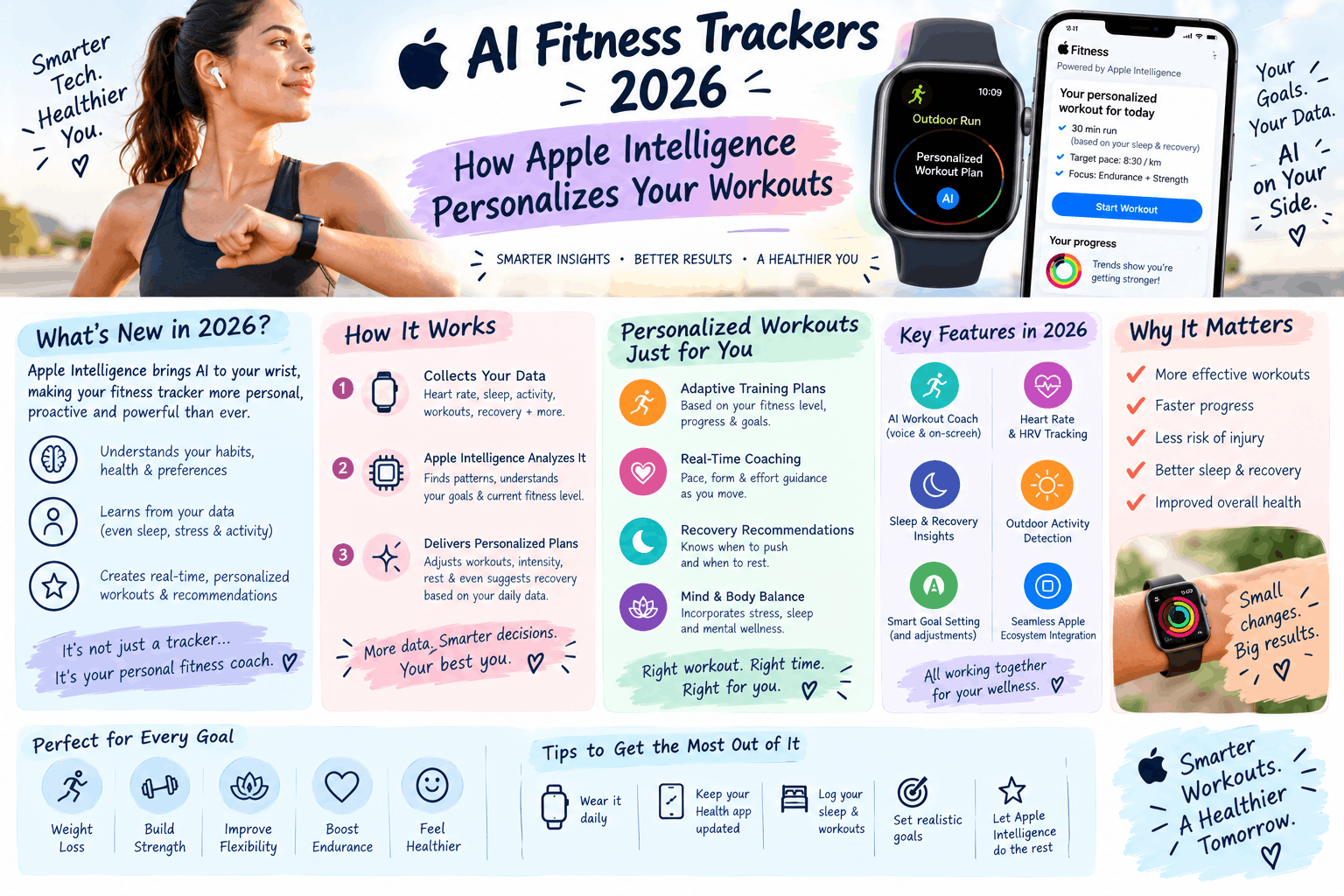
- Apple’s AI‑powered health features. The latest iPhone and Apple Watch releases embed generative AI that tailors workouts, predicts recovery windows, and syncs directly with electronic health records. This signals a market shift from simple step counting to intelligent health coaching.
- Consumer demand for data‑driven wellness. A 2025 Nielsen survey showed that 68% of U.S. adults consider real‑time biometric feedback essential to staying motivated, driving hiring for roles that can translate raw data into actionable insights.
These forces combine to create a talent vacuum that employers are eager to fill. Companies ranging from established wearables giants to boutique fitness technology startups are competing for engineers, analysts, and designers who understand both exercise science and digital product development.
Top Career Paths in the Fitness Tech Ecosystem
Product Management for Wearables
Product managers steer the roadmap for smart bands, smart shoes, and connected apparel. They translate market research, user feedback, and regulatory constraints into feature specifications, prioritize engineering sprints, and coordinate cross‑functional teams. Successful PMs blend a background in kinesiology or biomedical engineering with business acumen.
Data Science & Analytics for Activity Data
Every heartbeat, cadence, and calorie count generates a data point. Data scientists build pipelines that cleanse, aggregate, and model this information to produce predictive insights—such as injury risk scores or optimal training loads. Proficiency in Python, SQL, and machine‑learning frameworks (TensorFlow, PyTorch) is essential.
Hardware Engineering of Sensors
Hardware engineers design the tiny accelerometers, optical heart‑rate sensors, and strain gauges that sit on a runner’s wrist or a cyclist’s frame. Expertise in analog circuit design, PCB layout, and low‑power firmware is prized, especially as manufacturers push for sub‑millimeter form factors.
Software Development of Fitness Apps
Mobile and web developers create the user‑facing experiences that turn raw data into motivating dashboards, social challenges, and AI‑driven coaching. Knowledge of Swift, Kotlin, React Native, and cloud services (AWS, Azure) enables rapid iteration and seamless integration with wearable hardware.
UX/UI Design for Health Interfaces
Designers focus on clarity, accessibility, and motivation. They conduct usability testing with diverse populations, craft visual hierarchies that highlight key metrics, and ensure compliance with HIPAA and GDPR when health data is displayed. A portfolio that showcases inclusive design for both high‑intensity athletes and seniors is a strong differentiator.
Sports Science and Research Roles
Research scientists partner with universities and corporate labs to validate the efficacy of new training algorithms, develop evidence‑based recovery protocols, and publish findings in peer‑reviewed journals. A PhD in exercise physiology or biomechanics, combined with experience in statistical software (R, SPSS), opens doors to senior research positions.
Education & Certifications Needed
- Relevant degrees. Bachelor’s programs in kinesiology, biomedical engineering, computer science, or data analytics provide the foundational knowledge. For leadership tracks, a Master’s in Business Administration (MBA) with a focus on technology management is increasingly common.
- Industry certifications. Certified Strength and Conditioning Specialist (CSCS), National Academy of Sports Medicine (NASM), and American College of Sports Medicine (ACSM) credentials demonstrate credibility with fitness‑focused employers. For data‑centric roles, the Google Data Analytics Professional Certificate or the Certified Analytics Professional (CAP) badge adds weight.
- Online AI & data courses. Platforms such as Coursera, edX, and Udacity offer specialized tracks—e.g., “AI for Healthcare” (Coursera) or “Data Engineering Nanodegree” (Udacity). Many of these courses include capstone projects that can be added to a professional portfolio.
- Practical tools. Consider using the recommended tool to practice cloud‑based data pipelines and model deployment without costly infrastructure.
Salary Expectations & Job Market Outlook
- Average 2026 salaries by role. Data scientist (average $120,000), product manager ($130,000), hardware engineer ($115,000), senior UX/UI designer ($105,000), and sports science researcher ($95,000). Bonuses and equity packages at high‑growth startups can push total compensation well above $150,000 for top performers.
- Job growth. The Bureau of Labor Statistics projects a 12% annual increase in fitness‑technology positions, outpacing the overall tech sector’s 8% growth rate.
- Geographic hotspots. Silicon Valley and the Bay Area remain the epicenter for wearables, while Boston excels in research‑driven sports science. Austin and Seattle are emerging hubs thanks to lower cost of living and strong venture‑capital ecosystems.
How to Break Into the Industry
- Build a portfolio. Create a personal fitness app that visualizes heart‑rate variability, develop a data dashboard using public datasets from Strava or WHOOP, or prototype a sensor‑embedded shoe using Arduino. Real‑world artifacts speak louder than a résumé.
- Network strategically. Attend events such as CES, FitTech, or local health‑tech meetups. Join LinkedIn groups like “Wearable Tech Professionals” and contribute to discussions on emerging standards (e.g., Bluetooth LE Audio). Meaningful connections often lead to referral interviews.
- Secure internships or junior roles. Startups are more willing to take on enthusiastic graduates for short‑term contracts. Look for titles like “Junior Data Analyst – Fitness” or “Product Associate – Wearables” on platforms such as AngelList and Indeed.
Future Trends to Watch
- AI‑personalized workout recommendations. Generative models will soon generate dynamic training plans that adapt in real time to fatigue signals, sleep quality, and nutritional intake.
- Integration with electronic health records (EHRs). Seamless data exchange will allow physicians to prescribe activity regimens that are automatically tracked and reimbursed by insurers.
- Sustainable, inclusive design in wearables. Eco‑friendly materials, modular components for repair, and adaptive sizing will become differentiators as consumers demand responsible products.
FAQ
Do I need a degree in computer science to work in fitness tech?
Not necessarily. Many roles—especially product management, sports science, and UX/UI design—value domain expertise in exercise physiology or biomechanics more than pure coding skills. However, a basic understanding of software development or data analysis will make you far more competitive.
What certifications are most valued by employers?
For training‑focused positions, NASM and ACSM are the industry standard. Data‑oriented employers look for credentials like Google Data Analytics or Certified Analytics Professional. Combining a fitness certification with a technical badge signals a rare hybrid skill set.
How long does it take to transition from a traditional personal trainer to a tech‑driven role?
Transition timelines vary, but most professionals report 6‑12 months of focused upskilling—online courses, portfolio projects, and networking—before landing a junior position. Leveraging existing client data to showcase analytics ability can accelerate the process.
Conclusion
Tech‑driven fitness careers are no longer a niche; they are the backbone of a multi‑billion‑dollar industry that blends health science with artificial intelligence, hardware innovation, and user‑centric design. By understanding the market dynamics, targeting high‑impact roles, securing the right education and certifications, and proactively building a demonstrable portfolio, you can position yourself for a lucrative, future‑ready career in 2026 and beyond. The path is clear—embrace the data, master the technology, and let your passion for wellness guide the next generation of health solutions.