
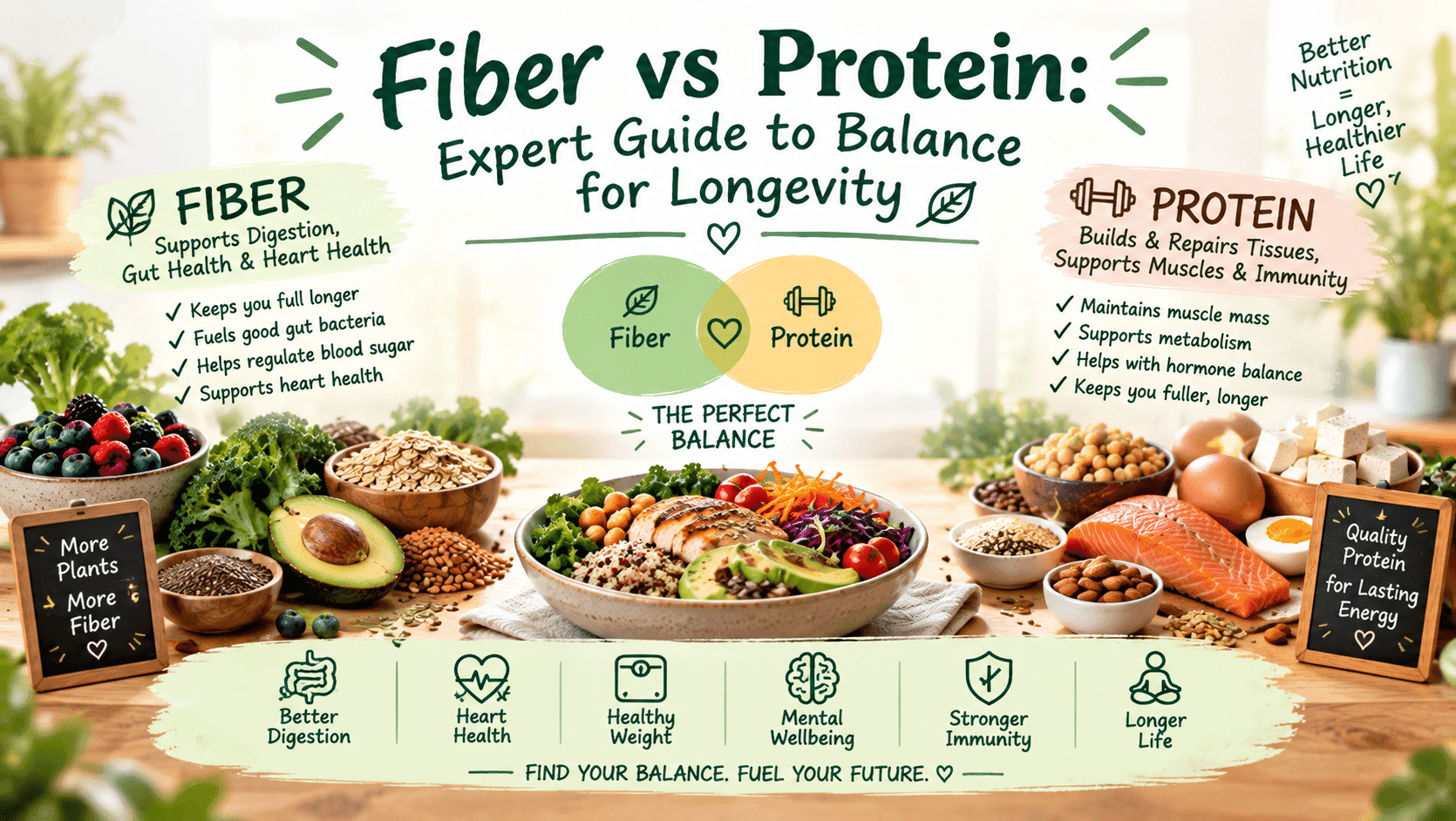
Why the Fiber‑Protein Debate Matters
In the past decade, nutrition science has shifted from single‑nutrient hype to holistic dietary patterns. The fiber vs protein conversation sits at the heart of this evolution because both macronutrients influence longevity, metabolic health, and the microbiome in distinct yet interrelated ways. Recent meta‑analyses published in The Lancet and the American Journal of Clinical Nutrition link higher dietary fiber intake to reduced cardiovascular mortality, while high‑quality protein—especially from plant sources—correlates with preserved muscle mass and lower frailty risk in adults over 50. When you combine these findings, a clear picture emerges: a diet that strategically balances fiber and protein can extend healthspan by supporting gut integrity, insulin sensitivity, and cellular repair mechanisms.
For health‑conscious adults aged 30‑55, the stakes are personal. This life stage often brings career pressure, family responsibilities, and the first signs of age‑related metabolic slowdown. Optimizing the diet balance for longevity means choosing foods that keep blood sugar stable, nurture beneficial gut bacteria, and sustain lean muscle—all without compromising satiety or enjoyment.
Understanding Dietary Fiber
Types of Fiber (Soluble vs Insoluble)
Dietary fiber is a collective term for plant‑based carbohydrates that resist digestion in the small intestine. Soluble fiber dissolves in water, forming a gel‑like substance that slows glucose absorption and lowers LDL cholesterol. Sources include oats, barley, beans, apples, and psyllium. Insoluble fiber remains largely intact, adding bulk to stool and promoting regular bowel movements; think whole‑grain wheat, nuts, seeds, and many vegetables.
Health Benefits Backed by Harvard Health and WHO
Harvard Health highlights three core fiber benefits: improved glycemic control, enhanced satiety, and a lower risk of colorectal cancer. The World Health Organization (WHO) recommends a minimum of 25 g of fiber per day for adults, citing evidence that adequate fiber reduces the incidence of type‑2 diabetes and supports a diverse gut microbiome—a cornerstone of the gut health diet. Moreover, soluble fiber’s prebiotic properties feed beneficial bacteria like Bifidobacteria, which produce short‑chain fatty acids (SCFAs) that modulate inflammation and may even influence brain health.
Understanding Protein
Complete vs Incomplete Proteins
Protein is composed of amino acids, nine of which are essential because the body cannot synthesize them. Complete proteins contain all essential amino acids in adequate proportions; animal products (meat, dairy, eggs) and some plant foods (quinoa, soy) fall into this category. Incomplete proteins lack one or more essential amino acids, but they can be combined—such as rice with beans—to achieve a complete profile.
Role in Muscle Maintenance and Satiety
Beyond building muscle, protein drives satiety through hormonal pathways involving ghrelin and peptide YY. A 30‑gram serving of high‑quality protein can reduce hunger hormones for up to three hours, making it a powerful tool for weight management. For adults approaching middle age, preserving lean mass is critical because muscle loss (sarcopenia) accelerates after 40, compromising metabolic rate and functional independence.
The Science of Balancing Fiber and Protein
How Fiber and Protein Interact in Digestion
When you consume protein and fiber together, they modulate each other’s absorption. Fiber slows gastric emptying, giving protein‑derived amino acids a steadier release into the bloodstream, which can blunt post‑meal spikes in insulin. Conversely, protein can enhance the fermentation of certain fibers by providing nitrogen for microbial growth, potentially boosting SCFA production. This synergistic effect underpins many diet balance for longevity protocols.
Optimal Ratios Suggested by Nutrition Experts
While individual needs vary, a practical starting point is a 1:2 ratio of protein (in grams) to total dietary fiber. For example, a 70‑kg adult aiming for 1.2 g protein per kg (≈84 g protein) would target at least 168 g of fiber—an ambitious goal, so many clinicians recommend a more attainable 1:1.5 ratio (≈84 g protein to 126 g fiber) combined with a focus on high‑quality sources. The Mediterranean‑style diet naturally approximates this balance, emphasizing legumes, nuts, whole grains, fish, and modest dairy.
Practical Strategies to Achieve Balance
Meal‑Planning Tips
- Start meals with a fiber‑rich salad (leafy greens, carrots, bell peppers) dressed with olive oil and a sprinkle of seeds.
- Pair legumes or beans with a lean protein source—think lentil‑turkey chili or chickpea‑tofu stir‑fry.
- Incorporate whole‑grain bases (quinoa, farro, barley) that provide both soluble fiber and plant protein.
High‑Fiber, High‑Protein Food Combos
- Greek yogurt parfait: ¾ cup Greek yogurt (≈15 g protein) layered with ½ cup mixed berries, 2 Tbsp chia seeds, and a drizzle of honey.
- Salmon‑and‑bean bowl: 4 oz grilled salmon (≈25 g protein) over a bed of mixed greens, ½ cup black beans, and roasted Brussels sprouts.
- Quinoa‑edamame salad: 1 cup cooked quinoa (≈8 g protein, 5 g fiber) mixed with ½ cup edamame, diced cucumber, and a lemon‑tahini dressing.
Portion Guidelines
Aim for at least 25‑30 g of fiber per meal and 20‑30 g of protein. Use the “hand‑portion” rule: a palm‑sized serving of protein, a fist‑sized serving of vegetables (fiber), and a cupped hand of whole grains or legumes.
Common Pitfalls & How to Avoid Them
- Over‑fibering and digestive discomfort: Jumping from 10 g to 30 g fiber in a day can cause bloating, gas, and cramping. Increase intake gradually (5 g per week) and stay hydrated.
- Excess protein and kidney concerns: While most healthy adults tolerate up to 2 g/kg body weight, those with pre‑existing kidney disease should consult a physician. Balance animal protein with plant sources to reduce saturated fat intake.
- Neglecting micronutrients: Focusing solely on fiber and protein may lead to low intake of vitamins D and B12, especially on plant‑heavy diets. Include fortified foods or supplements as needed.
FAQs and Expert Verdicts
Q: Can I get enough fiber on a low‑carb diet?
A: Yes, by prioritizing low‑carb, high‑fiber vegetables (broccoli, spinach), nuts, seeds, and occasional berries.
Q: Is whey protein compatible with a high‑fiber gut health diet?
A: Whey is quickly digested and doesn’t interfere with fiber fermentation, making it a suitable supplement when paired with fiber‑rich meals.
Q: How often should I reassess my protein‑fiber ratio?
A: Review quarterly, especially after major lifestyle changes (weight loss, increased training, aging).
Nutritionists agree that the best approach is personalized, flexible, and rooted in whole foods. The consensus: prioritize plant‑based proteins, diversify fiber sources, and listen to your body’s signals.
Resources & Tools
- Meal‑planning apps such as Eat This Much let you set daily fiber and protein targets.
- Fiber tracking tools like MyFitnessPal provide real‑time nutrient breakdowns.
- Protein calculators (e.g., this tool) help you determine gram‑per‑kilogram needs based on activity level.
- For new parents interested in nutrition, see our comprehensive guide to a breastfeeding diet for additional protein and fiber recommendations.

2 thoughts on “Fiber vs Protein: Expert Guide to Balance for Longevity”
Comments are closed.