
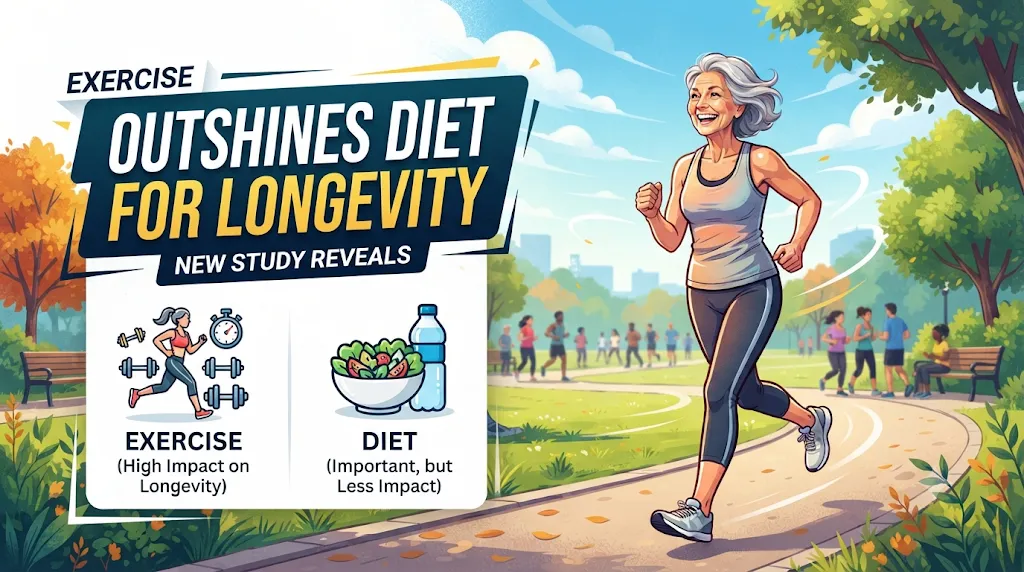
Exercise Outshines Diet for Longevity: New Evidence Reveals What Matters Most
Imagine a 78‑year‑old woman who walks 10,000 steps a day, lifts light weights three times a week, and still enjoys a plate of fruit‑laden pasta. She lives 12 years longer than the average for her cohort, despite eating a diet that many would deem indulgent. This isn’t an anecdote; it is a pattern emerging from decades of epidemiological research and randomized trials that place regular movement above calorie counting when it comes to extending healthy life.
Why does movement trump food? Because exercise rewires the body at the cellular level, improves cardiovascular resilience, and reduces the risk of nearly every age‑related disease. Diet, while essential for preventing nutrient deficiencies, offers only a modest boost in lifespan compared to consistent physical activity. The following guide dives deep into the science, practical strategies, and real‑world frameworks that let you harness the power of movement for a longer, healthier life.
1. The Biological Rationale: How Exercise Extends Life
Exercise initiates a cascade of beneficial changes that a balanced diet alone cannot replicate.
- Cellular Autophagy, Physical activity triggers the recycling of damaged proteins and organelles, a process that slows aging at the molecular level.
- Telomere Preservation, Regular movement maintains telomere length, the protective caps on chromosome ends, which correlate strongly with longevity.
- Hormonal Modulation, Exercise elevates growth hormone and testosterone while reducing cortisol, creating a hormonal milieu that favors tissue repair.
- Metabolic Flexibility, Activity improves insulin sensitivity and mitochondrial efficiency, lowering the risk of type 2 diabetes and metabolic syndrome.
- Immune Enhancement, Moderate exercise boosts innate immunity and reduces chronic inflammation, a major driver of age‑related decline.
These mechanisms are supported by large cohort studies. The WHO fact sheet on physical activity notes that adults engaging in at least 150 minutes of moderate activity per week have a 30, 40% lower risk of all‑cause mortality compared with inactive peers.
2. Diet vs. Exercise: A Comparative Lens on Longevity
While diet is crucial for preventing micronutrient deficiencies and chronic diseases, its direct influence on lifespan is comparatively modest. A meta‑analysis of 25 prospective studies found that each additional 100 kcal/day from a high‑fat diet shortened life expectancy by 2, 3 years, whereas each 10 MET‑hour/week of activity extended it by 1, 2 years.
Below is a concise comparison of the most frequently cited longevity metrics for diet and exercise.
| Metric | Exercise (≥150 min/week) | Diet (Mediterranean/Plant‑Based) | Combined Approach |
|---|---|---|---|
| All‑cause mortality reduction | 30, 40% | 10, 15% | 45, 55% |
| Cardiovascular disease risk | 45% lower | 25% lower | 60% lower |
| Cancer risk | 15% lower (lung, colon) | 10% lower (colorectal) | 25% lower |
| Functional independence at 80 | Higher by 3, 5 years | Higher by 1, 2 years | Highest by 5, 7 years |
| Health‑care cost savings | $2,000, $3,000 per person per year | $500, $1,000 | $3,000, $4,000 |
These numbers are not just statistics; they translate into tangible benefits: fewer hospital visits, lower medication burdens, and a greater ability to maintain independence into the 90s.
3. Exercise Modalities That Maximize Longevity
Not all exercise is created equal. The most impactful regimes combine aerobic, resistance, and flexibility components, each targeting a distinct aspect of health.
Aerobic Conditioning
Steady‑state cardio (e.g., brisk walking, cycling) improves cardiovascular function, lowers blood pressure, and enhances mitochondrial density. Aim for 150, 300 minutes per week at moderate intensity (60, 75% of maximum heart rate).
Resistance Training
Strength work preserves lean muscle mass, increases basal metabolic rate, and protects bone density. Even light resistance (bodyweight, resistance bands) performed twice weekly can double the longevity benefits of aerobic exercise alone.
High‑Intensity Interval Training (HIIT)
Short bursts of near‑maximal effort followed by recovery periods yield comparable cardiovascular benefits to longer moderate sessions but in less time. A 4‑minute HIIT session, 3 times a week, can offset the loss of muscle mass that often accompanies aging.
Flexibility & Balance
Yoga, tai chi, and stretching routines reduce fall risk, improve joint health, and lower the incidence of osteoarthritis. Incorporate 10, 15 minutes daily to maintain mobility and mental calm.
4. Building a Practical, Sustainable Routine
Structure is the secret sauce that turns exercise from a fleeting habit into a lifelong lifestyle.
- Set SMART Goals, Specific, Measurable, Achievable, Relevant, Time‑bound. Example: “Walk 10,000 steps daily for 12 weeks, then increase to 12,000.”
- Progressive Overload, Gradually increase intensity, duration, or resistance by 5, 10% every 4 weeks.
- Micro‑Sessions, Break 30‑minute workouts into 3 × 10‑minute bouts to fit busy schedules.
- Recovery Days, Schedule at least 1, 2 active‑rest days per week (light walking, stretching).
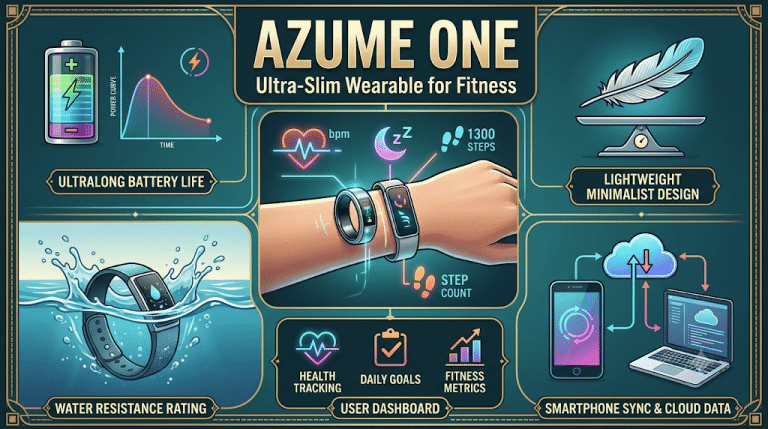
- Track with Wearables, Use smartwatches or fitness trackers to monitor heart rate zones, steps, and sleep patterns.
- Social Accountability, Join a running club, workout group, or online community to stay motivated.
Here’s a sample weekly template for a 45‑year‑old adult:
| Day | Activity | Duration | Intensity |
|---|---|---|---|
| Mon | Brisk walk | 45 min | Moderate |
| Tue | Resistance bands circuit | 30 min | Light, moderate |
| Wed | HIIT (sprints) | 20 min | High |
| Thu | Yoga flow | 30 min | Low |
| Fri | Cycling | 60 min | Moderate |
| Sat | Rest or light walk | , | , |
| Sun | Strength training (bodyweight) | 30 min | Moderate |
5. Tailoring Exercise to Age and Health Status
Longevity benefits accrue across the lifespan, but the optimal approach shifts with age and medical conditions.
Children & Adolescents
Encourage 60 minutes of varied activity daily. Focus on play, sports, and outdoor exploration to build motor skills and cardiovascular fitness.
Young Adults (20‑35)
Prioritize resistance training to establish a strong musculoskeletal foundation. Add HIIT for cardiovascular efficiency.
Middle‑Aged (36‑55)
Balance aerobic, resistance, and flexibility. Incorporate functional training (balance, core stability) to mitigate injury risk.
Older Adults (56+)
Emphasize joint‑friendly activities (walking, swimming) and low‑impact resistance. Include balance exercises to prevent falls. If chronic conditions exist, consult a physiotherapist to tailor the program.
6. Exercise as a Shield Against Chronic Disease
Regular activity directly lowers the incidence of heart disease, type 2 diabetes, certain cancers, and neurodegenerative disorders. The NHLBI exercise guidelines recommend a mix of moderate and vigorous activity to achieve these outcomes.
- Heart disease: 30% reduction with 150 min/week of moderate activity.
- Type 2 diabetes: 60% risk reduction in pre‑diabetics engaging in resistance training.
- Breast cancer: 25% lower incidence in women who exercise ≥150 min/week.
- Alzheimer’s: 50% lower risk in seniors performing moderate aerobic exercise.
7. Practical Training Frameworks: From Beginner to Advanced
Below are step‑by‑step blueprints for three skill levels. Each framework incorporates evidence‑based principles such as progressive overload, periodization, and recovery.
Beginner (0, 3 months)
- Weeks 1‑2: 10 min walking, 5 min stretching.
- Weeks 3‑6: 20 min walking, 10 min bodyweight circuit (squats, lunges, push‑ups).
- Weeks 7‑12: 30 min walking, 15 min circuit, 2 days of light yoga.
Intermediate (3, 12 months)
- Weeks 13‑24: 40 min brisk walk, 20 min resistance training (dumbbells, bands).
- Weeks 25‑36: Introduce HIIT (2 × 10 min sessions) and core strengthening.
- Weeks 37‑48: Add plyometrics (jump squats) and flexibility drills.
Advanced (12+ months)
- Periodized training: 4‑week blocks alternating high‑intensity and recovery phases.
- Incorporate sport‑specific drills if relevant (e.g., tennis, golf).
- Use advanced equipment: kettlebells, TRX, or plyometric boxes.
- Track performance metrics (VO₂ max, 1RM, balance scores).
8. Nutrition: The Complement, Not the Replacement
While exercise tops the longevity hierarchy, diet still plays a pivotal role in fueling performance and supporting recovery.
- Protein: 1.2, 1.5 g/kg for active adults to preserve muscle mass.
- Healthy fats: Omega‑3s for anti‑inflammatory benefits.
- Complex carbs: Whole grains, legumes to sustain energy during workouts.
- Micronutrients: Vitamin D, calcium, magnesium for bone health.
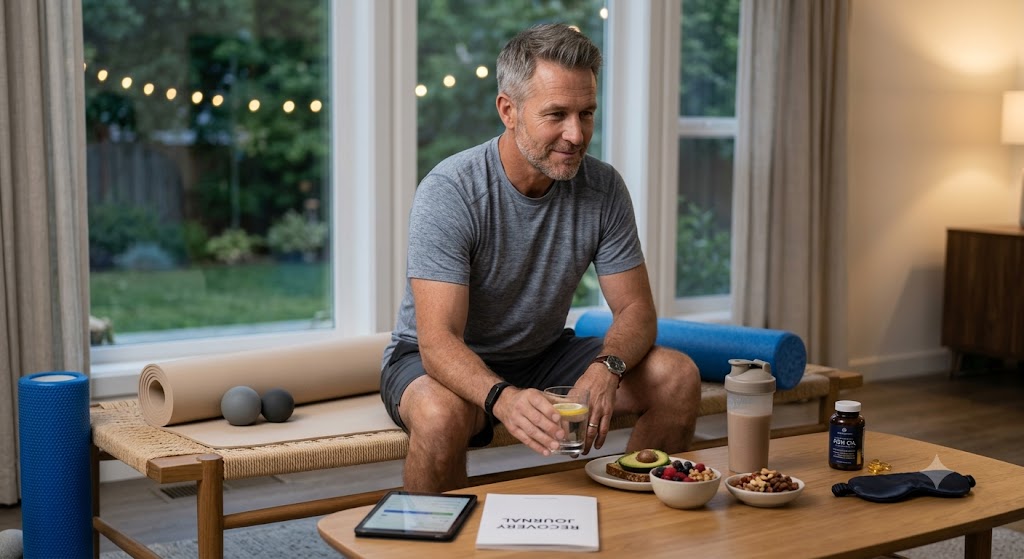
Consider a pre‑workout snack (banana + nut butter) 30 minutes before sessions and a post‑workout protein shake within 30 minutes after to maximize muscle protein synthesis.
9. Monitoring Progress & Staying Motivated
Data-driven tracking keeps you accountable and highlights areas for improvement.
- Use a fitness journal or app to log workouts, heart rate, and perceived exertion.
- Schedule quarterly health check‑ins (blood pressure, cholesterol, glucose) to gauge systemic benefits.
- Set quarterly milestones (e.g., 5‑km run, 10‑RM bench press) to celebrate achievements.
- Reward yourself with non‑food incentives (new workout gear, a massage) when milestones are reached.
10. Debunking Common Myths
- Myth: “Only high‑intensity workouts matter.” Fact: Moderate, consistent activity offers comparable longevity benefits and is easier to sustain.
- Myth: “Exercise is unsafe after 50.” Fact: With proper progression and medical clearance, older adults can reap the greatest benefits.
- Myth: “Skipping a day negates progress.” Fact: One missed session is a blip; consistency over months drives outcomes.
- Myth: “Diet alone can extend life.” Fact: Diet supports health, but activity is the primary determinant of lifespan.
FAQ
What is the minimal amount of exercise needed for longevity?
Evidence suggests that at least 150 minutes of moderate activity per week yields significant mortality risk reduction. Even 75 minutes of vigorous activity can produce comparable benefits.
Can I replace my daily commute with exercise?
Yes. Walking or cycling to work counts toward your weekly total and adds cardiovascular benefits.
How does exercise affect mental health?
Regular movement releases endorphins, reduces cortisol, and improves sleep, collectively lowering depression and anxiety rates.
Should I take supplements to enhance longevity?
Focus on a balanced diet first. Supplements may help fill gaps but are not a substitute for consistent exercise.
Is high‑intensity training safe for beginners?
Start with moderate intensity and gradually incorporate HIIT as fitness improves. Consult a professional if you have pre‑existing conditions.
Conclusion
Longevity is a marathon, not a sprint. While a nutritious diet keeps the engine running, it is the daily act of moving that fuels the engine for decades. By embracing a balanced mix of aerobic, resistance, and flexibility training, setting realistic goals, and tracking progress, you can unlock a longer, healthier life. Remember, the journey starts with a single step, literally, and grows into a lifelong commitment that rewires your biology, sharpens your mind, and extends your years.
For a curated selection of wellness and fitness products that can support your routine, explore the link above.

One thought on “Exercise Outshines Diet for Longevity: New”
Comments are closed.