
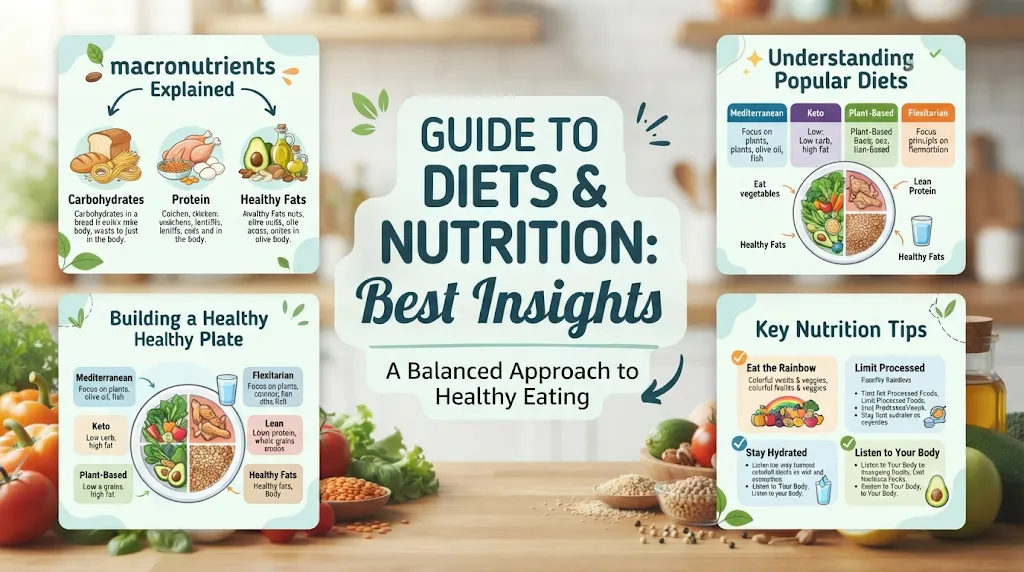
The Moment Your Plate Dictates Your Day
When the alarm rings at 5:15 a.m., the first thing your brain registers is the taste of the last meal you ate. A handful of almonds, a glass of cold water, a spoonful of chia pudding, these simple choices can either fuel a productive morning or leave you scrambling for a sugary fix. Understanding the science behind these decisions is the key to mastering long‑term health.
Why Traditional Diet Labels Fall Short
Most diet books still rely on vague phrases like “eat more vegetables” or “cut out carbs.” They ignore the fact that each person’s metabolism, genetics, lifestyle, and even gut microbiome respond uniquely to food. The modern evidence‑based approach focuses on macronutrient ratios, meal timing, and food quality, rather than blanket restrictions.
For instance, a 45‑year‑old office worker who sits for eight hours daily and trains twice a week will benefit from a different protein‑carbohydrate split than a marathoner who trains four times a week. The same principle applies to micronutrient timing, vitamins are more bioavailable when paired with the right macronutrient.
Framework 1: The 4‑Phase Nutrient Alignment Model
Step one: Identify your energy phase, morning, midday, afternoon, evening. Step two: Match macronutrients to that phase. Step three: Integrate micronutrient boosters. Step four: Adjust for individual variability.
Morning Phase
Goal: Stabilize blood glucose and kick‑start the metabolic clock. Macronutrient ratio: 25% protein, 30% complex carbs, 35% healthy fats. Micronutrients: B‑complex vitamins, magnesium, vitamin D.
Practical example: Scrambled eggs with spinach, a slice of whole‑grain toast, and a tablespoon of avocado. Add a glass of fortified plant milk.
Midday Phase
Goal: Sustain focus and prevent mid‑afternoon slump. Macronutrient ratio: 35% protein, 30% complex carbs, 25% healthy fats. Micronutrients: Iron, zinc, omega‑3.
Practical example: Grilled chicken breast, quinoa, roasted broccoli, and a drizzle of olive oil.
Afternoon Phase
Goal: Maintain energy without triggering insulin spikes. Macronutrient ratio: 30% protein, 25% complex carbs, 35% healthy fats. Micronutrients: Antioxidants (vitamin C, E), calcium.
Practical example: Greek yogurt with berries and a handful of walnuts.
Evening Phase
Goal: Promote recovery and sleep quality. Macronutrient ratio: 20% protein, 20% complex carbs, 40% healthy fats. Micronutrients: Tryptophan, magnesium, melatonin precursors.
Practical example: Baked salmon, steamed asparagus, and a small sweet potato.
Framework 2: The 5‑Minute Meal Prep Blueprint
Time is the greatest constraint for many. This blueprint reduces prep time while maximizing nutritional density.
- Batch‑Cook Staples: Cook a big pot of brown rice or quinoa, grill a dozen chicken breasts, roast a tray of mixed veggies.
- Micro‑Meal Assembly: Use a food scale to portion out 30‑gram protein, 45‑gram carbs, and 15‑gram fat per meal.
- Smart Storage: Store in airtight containers; label with date. Use the “first in, first out” rule.
- Flavor Rotation: Add fresh herbs or spices each day to keep taste interesting.
- Hydration Check: Keep a reusable water bottle with a 500 ml marker to ensure 2 L/day intake.
Framework 3: Personalized Micronutrient Mapping
Micronutrient needs vary by age, sex, activity level, and health status. Use the following table to cross‑reference your profile with recommended daily allowances.
| Demographic | Vitamin D (IU) | Calcium (mg) | Iron (mg) | Omega‑3 (g) |
|---|---|---|---|---|
| Adult Male 30‑50 | 600, 800 | 1000 | 8 | 1.6 |
| Adult Female 30‑50 | 600, 800 | 1000 | 18 | 1.6 |
| Pregnant Female 30‑50 | 600, 800 | 1000 | 27 | 1.6 |
| Senior 65+ | 800, 1000 | 1200 | 8 | 2.0 |
For precise calculations, consult a registered dietitian or use validated apps like MyFitnessPal. These tools track intake against your personal targets.
Framework 4: Intermittent Timing for Hormonal Harmony
Intermittent fasting (IF) is not a diet but a meal‑timing strategy. The most studied protocols are 16:8 (fast 16 h, eat in 8 h window) and 5:2 (five normal days, two low‑calorie days).
Benefits include improved insulin sensitivity, autophagy, and circadian alignment. Risks are minimal if you stay hydrated and avoid high‑sugar snacks during eating windows.
Step‑by‑step: Week 1, start with a 12:12 split. Week 2, shift to 14:10. Week 3, move to 16:8. Adjust based on energy and sleep quality.
Framework 5: Food Quality Index (FQI)
Not all calories are created equal. The FQI scores foods on a 0, 10 scale based on processing, nutrient density, and glycemic impact.
- 10‑score foods: Wild salmon, fresh spinach, raw almonds.
- 7‑score foods: Whole‑grain oats, Greek yogurt, sweet potatoes.
- 4‑score foods: Processed meats, refined grains, sugary drinks.
- 1‑score foods: Deep‑fried snacks, sugary cereals, soda.
Use the FQI to plan meals: aim for an average score of 7 or higher per day.
Comparative Diet Snapshot
Below is a side‑by‑side look at six popular dietary patterns. The table highlights core principles, ideal candidate profiles, typical costs, and key pros/cons.
| Diet | Core Principles | Ideal For | Average Monthly Cost (USD) | Pros | Cons |
|---|---|---|---|---|---|
| Mediterranean | High olive oil, legumes, fish, moderate dairy. | Cardiovascular health, weight management. | $120, $200 | Strong evidence for heart health; flavorful. | Requires access to fresh fish and olive oil. |
| Keto | Low carbs (<20 g/day), high fat, moderate protein. | Rapid weight loss, seizure control. | $150, $250 | Quick fat loss; appetite suppression. | Potential nutrient gaps; difficult long‑term. |
| Paleo | Whole foods, no grains, dairy, processed sugars. | Muscle building, insulin sensitivity. | $140, $240 | High protein; reduces processed foods. | Excludes many staple foods; pricey meats. |
| Vegan | Plant‑based only; no animal products. | Ethical, weight loss, gut health. | $100, $180 | Low saturated fat; high fiber. | Requires careful protein and B12 planning. |
| DASH | Low sodium, high fruits/veggies, whole grains. | Hypertension, weight control. | $110, $190 | Evidence‑based for blood pressure. | May be restrictive for high‑protein athletes. |
| Intermittent Fasting | Time‑restricted eating, no calorie limits. | Metabolic flexibility, longevity. | $0, $50 (depends on food choices). | Low cost; simple rules. | Potential for overeating during windows. |
Actionable Takeaway 1: Build Your “Meal Matrix”
- Choose one diet framework that aligns with your goals.
- Map each meal to the 4‑Phase Nutrient Alignment Model.
- Use the Food Quality Index to score each ingredient.
- Adjust portion sizes to hit your calorie target.
- Track weekly with a spreadsheet or app.
Actionable Takeaway 2: Automate Grocery Shopping
- List staple items: whole grains, legumes, lean proteins, fresh produce.
- Subscribe to a meal‑prep delivery service that offers bulk options.
- Use healthy snacks for on‑the‑go fuel.
- Set up recurring orders for high‑turnover items like fresh herbs.
- Reevaluate your basket every 4 weeks for waste reduction.
Actionable Takeaway 3: Optimize Your Kitchen Tech
Invest in tools that streamline prep and reduce waste.
- Pressure cooker for quick legumes.
- High‑speed blender for smoothies and nut milks.
- Smart scale that syncs with your nutrition app.
- Vacuum sealer for bulk meats and pantry staples.
Check out this kitchen appliance bundle that includes a pressure cooker, blender, and vacuum sealer.
Actionable Takeaway 4: Leverage Intermittent Fasting Wisely
- Start with a 12:12 schedule.
- Monitor sleep, mood, and energy.
- Gradually extend the fast to 16:8.
- Include a protein‑rich breakfast during the eating window.
- Hydrate with water, black coffee, or herbal tea.
Actionable Takeaway 5: Stay Accountable with Community
- Join a local walking or running club.
- Participate in a virtual diet challenge on social media.
- Set up a monthly check‑in with a nutrition coach.
- Share progress on a private forum with peers.
FAQs
What is the difference between a diet and a nutrition plan?
A diet is a set of rules about what to eat; a nutrition plan is a personalized, evidence‑based strategy that considers your lifestyle, genetics, and goals.
Can I combine intermittent fasting with a keto diet?
Yes, but start with a shorter fast and gradually increase. Monitor ketone levels to ensure you stay in ketosis.
How do I know if I’m getting enough protein?
Aim for 0.8, 1.0 g/kg of body weight per day. Use a food scale and track with an app.
Is the Food Quality Index scientific?
It’s a practical tool derived from peer‑reviewed studies on nutrient density and glycemic load.
What if I have a food allergy?
Adjust the core principles to exclude allergens, and replace them with equivalent nutrient sources.
Conclusion
Mastering diet and nutrition is less about finding the perfect recipe and more about creating a sustainable system that aligns with your biology. Use the frameworks, tools, and actionable steps above to design a plan that works for you, today, tomorrow, and for a lifetime.
For additional resources, see the World Health Organization guidelines on healthy eating, and the U.S. Department of Agriculture Nutrition Education and Behavior Center for detailed nutrient tables.


One thought on “Guide to Diets & Nutrition: Best Insights”
Comments are closed.