
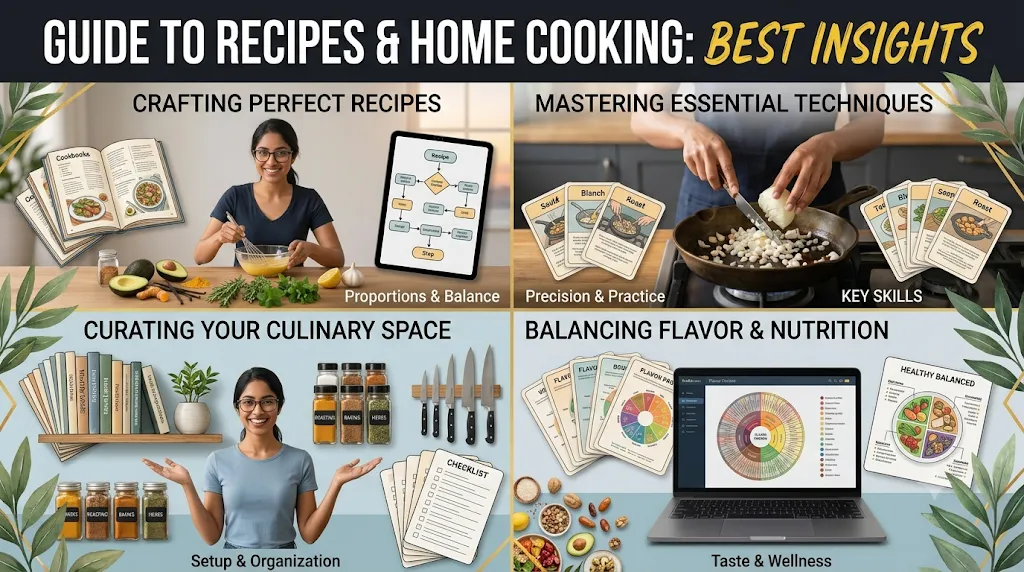
Kitchen Mastery Starts With a Single Decision
When a chef pulls a perfectly seared steak out of a cast‑iron skillet, the sizzling sound is not just noise, it is a signal that every element of the kitchen has been orchestrated. For the average home cook, replicating that harmony requires a structured approach, not a flurry of last‑minute choices.
Ingredient Intelligence: From Cart to Counter
Freshness is the currency of flavor. A tomato that has spent a week on a supermarket shelf will never match the brightness of one harvested yesterday. Yet, grocery budgets and seasonal availability create constraints that force compromises.
Fresh vs. Frozen: The Real Cost Equation
Frozen vegetables retain most of their nutrients and often come pre‑cut, saving prep time. However, the texture can shift once thawed, making them unsuitable for raw salads but perfect for stews. For instance, frozen spinach is ideal for a creamy sauce, whereas fresh spinach should be used raw to preserve crunch.
Pantry Essentials: Stocking for Flexibility
Build a base of pantry staples that can be combined into dozens of dishes. A well‑balanced pantry includes:
- Whole grains: quinoa, brown rice, farro
- Legumes: chickpeas, black beans, lentils
- Flours: all‑purpose, chickpea, almond
- Stocks and broths: low‑sodium vegetable, chicken, beef
- Condiments: miso paste, soy sauce, tamari, coconut aminos
- Spices: smoked paprika, turmeric, cumin, coriander
Keep these items in airtight containers to preserve flavor and avoid mold.
Tools of the Trade: Choosing Appliances and Gadgets
A kitchen is a toolbox; each tool serves a specific purpose. Choosing the right tools reduces effort and expands creative possibilities.
Must‑Haves vs. Nice‑to‑Have
Start with the fundamentals: a chef‑grade chef’s knife, a heavy‑bottomed saucepan, and a cutting board. Once these are secured, evaluate gadgets that add measurable value:
- Instant Pot or multi‑cooker for one‑pot meals
- Air fryer for crisp textures with less oil
- Sous‑vide precision cooker for restaurant‑level doneness
- High‑speed blender for sauces, smoothies, and soups
Comparison of Popular Kitchen Appliances
| Appliance | Price Range | Best For | Pros | Cons |
|---|---|---|---|---|
| Instant Pot Duo 7‑in‑1 | $70, $90 | Pressure cooking, slow cooking, sautéing | Versatile, saves time, energy efficient | Large footprint, learning curve |
| Philips Premium Air Fryer | $90, $120 | Low‑oil frying, roasting | Healthy results, easy cleanup | Limited capacity, uneven browning |
| Anova Culinary Sous‑Vide Precision Cooker | $200, $250 | Perfectly cooked proteins | Consistent results, precise temperature control | High upfront cost, requires immersion pot |
| Vitamix 5200 Blender | $300, $350 | Smoothies, sauces, soups | Powerful, durable, versatile | Expensive, bulky |
For a budget‑conscious shopper, premium kitchen appliances can be sourced at competitive prices without sacrificing quality.
Recipe Architecture: Building a Balanced Meal
A recipe is a blueprint. Without a clear structure, the final dish can feel unbalanced or incomplete.
Macro and Micro Balancing
Start by determining the macro ratios: protein, carbohydrate, and fat. Then layer micronutrients, vitamins, minerals, antioxidants, by selecting colorful vegetables and whole grains. For example, a quinoa bowl with grilled salmon, roasted sweet potato, and a spinach‑avocado salad offers protein, complex carbs, healthy fats, and a spectrum of micronutrients.
Flavor Architecture: The Five Pillars
Flavor is built from five foundational elements: sweet, salty, sour, bitter, and umami. A well‑crafted dish balances these by:
- Adding citrus zest for brightness (sour)
- Using sea salt or soy sauce for depth (salty)
- Incorporating roasted nuts for crunch (bitter)
- Including tomatoes or mushrooms for umami
- Balancing with a touch of honey or maple syrup (sweet)
Remember that taste evolves during cooking; adjust seasoning at each stage.
Time‑Saving Techniques: Batch Cooking and Meal Prep
Time constraints often force compromise on quality. By planning ahead, you can maintain culinary standards while freeing up evenings.
Planning: The 7‑Day Meal Calendar
Map out a weekly menu that reuses core ingredients. For instance, cook a large batch of lentils on Sunday; use them in a soup Monday, a salad Wednesday, and a curry Friday. This strategy reduces cooking time and ensures nutritional variety.
Storage: Containers That Keep Food Fresh
Invest in airtight, BPA‑free containers. Vacuum‑sealed bags are ideal for long‑term storage, while silicone lids work well for short‑term refrigeration. Label each container with the date to avoid the “mystery meat” scenario.
Safety and Sustainability: Food Safety and Waste Reduction
Food safety is non‑negotiable. The USDA recommends the USDA Food Safety guidelines for safe handling, cooking temperatures, and storage.
Temperature, Cross‑Contamination, and Hygiene
Use a digital thermometer to ensure poultry reaches 165°F (74°C) and ground meats 160°F (71°C). Keep raw meats on the bottom shelf of the fridge and separate cutting boards for meats and vegetables. Wash hands, utensils, and surfaces after each use.
Composting and Zero‑Waste Cooking
Turn vegetable scraps into nutrient‑rich compost for your garden. Use citrus peels for homemade cleaning solutions. For leftover grains, transform them into porridge or bread to minimize waste.
The Digital Edge: Apps, AI, and Smart Kitchens
Technology can streamline the cooking process, but it must be chosen wisely.
Meal Planning Apps
Apps like Mealime or Yummly offer personalized meal plans based on dietary preferences and time constraints. They generate grocery lists automatically, reducing impulse purchases.
Smart Appliances: When More Is Not Always Better
Smart ovens can preheat via Wi‑Fi and send alerts when the dish is ready. However, the added cost often outweighs the convenience for casual cooks. Prioritize smart features that align with your cooking style, e.g., a smart thermometer that connects to your phone for precise temperature monitoring.
The Cultural Kaleidoscope: Global Flavors, Local Twist
Exploring world cuisines expands your palate and introduces new techniques. Yet, local ingredients can be adapted to recreate these dishes cost‑effectively.
Regional Staples: Adapting to Availability
Thai curries rely on coconut milk and lemongrass. If fresh lemongrass is scarce, use a small amount of dried or bottled lemongrass paste. Similarly, Japanese miso can be substituted with a mixture of soy sauce and a pinch of sugar if you’re on a tight budget.
Fusion: The Art of Creative Blending
Combine techniques from different cuisines to create novel dishes. For example, pair a Mediterranean quinoa salad with a Korean gochujang glaze for a spicy, protein‑rich meal that feels both familiar and adventurous.
Practical Takeaways: 7‑Step Home Cooking Blueprint
Implement these steps to elevate everyday meals.
Step 1: Inventory Audit
Spend 10 minutes reviewing pantry, fridge, and freezer. Note items that are close to expiration and plan to use them within the next week.
Step 2: Meal Planning
Draft a 7‑day menu that incorporates at least one new recipe each week. Use a spreadsheet or a meal‑planning app to track ingredients.
Step 3: Smart Shopping List
Group items by grocery aisle. Prioritize bulk purchases for staples and seasonal produce for freshness.
Step 4: Prep in Batches
On a designated prep day, chop vegetables, marinate proteins, and cook grains. Store in labeled containers.
Step 5: Cook with Purpose
When cooking, follow the recipe’s sequence: sauté aromatics, add proteins, then liquids, and finish with vegetables to preserve texture.
Step 6: Plate with Intent
Arrange food visually, use color contrast and height. A simple garnish of fresh herbs can elevate the dish.
Step 7: Clean as You Go
Wipe surfaces after each step, rinse utensils, and load the dishwasher immediately to maintain a tidy workspace.
FAQ
What is the best way to store herbs?
Wrap fresh herbs in a damp paper towel, place them in a sealed plastic bag, and store in the fridge. For longer storage, blanch and freeze them in ice‑cube trays with olive oil.
Can I use an Instant Pot to replace a slow cooker?
Yes. The Instant Pot’s slow‑cooking mode mimics a traditional slow cooker but adds pressure cooking for quicker results.
How do I prevent over‑cooking vegetables?
Use the “blanch” method: briefly boil vegetables, then plunge them into ice water to stop the cooking process. This preserves color and texture.
Is it worth investing in a sous‑vide machine?
If you cook protein frequently and desire precise doneness, a sous‑vide can be a worthwhile investment. Otherwise, a good quality skillet or oven can deliver similar results.
What are the key safety practices for handling raw poultry?
Keep poultry refrigerated until use, use separate cutting boards, wash hands after handling, and cook to 165°F (74°C).
How can I reduce kitchen waste?
Plan meals around the same base ingredients, compost scraps, repurpose leftovers into new dishes, and store foods properly to extend shelf life.
What are the most essential spices for a beginner?
Start with salt, black pepper, paprika, cumin, and garlic powder. These provide a solid foundation for a wide range of dishes.


One thought on “Guide to Recipes & Home Cooking: Best Insights”
Comments are closed.