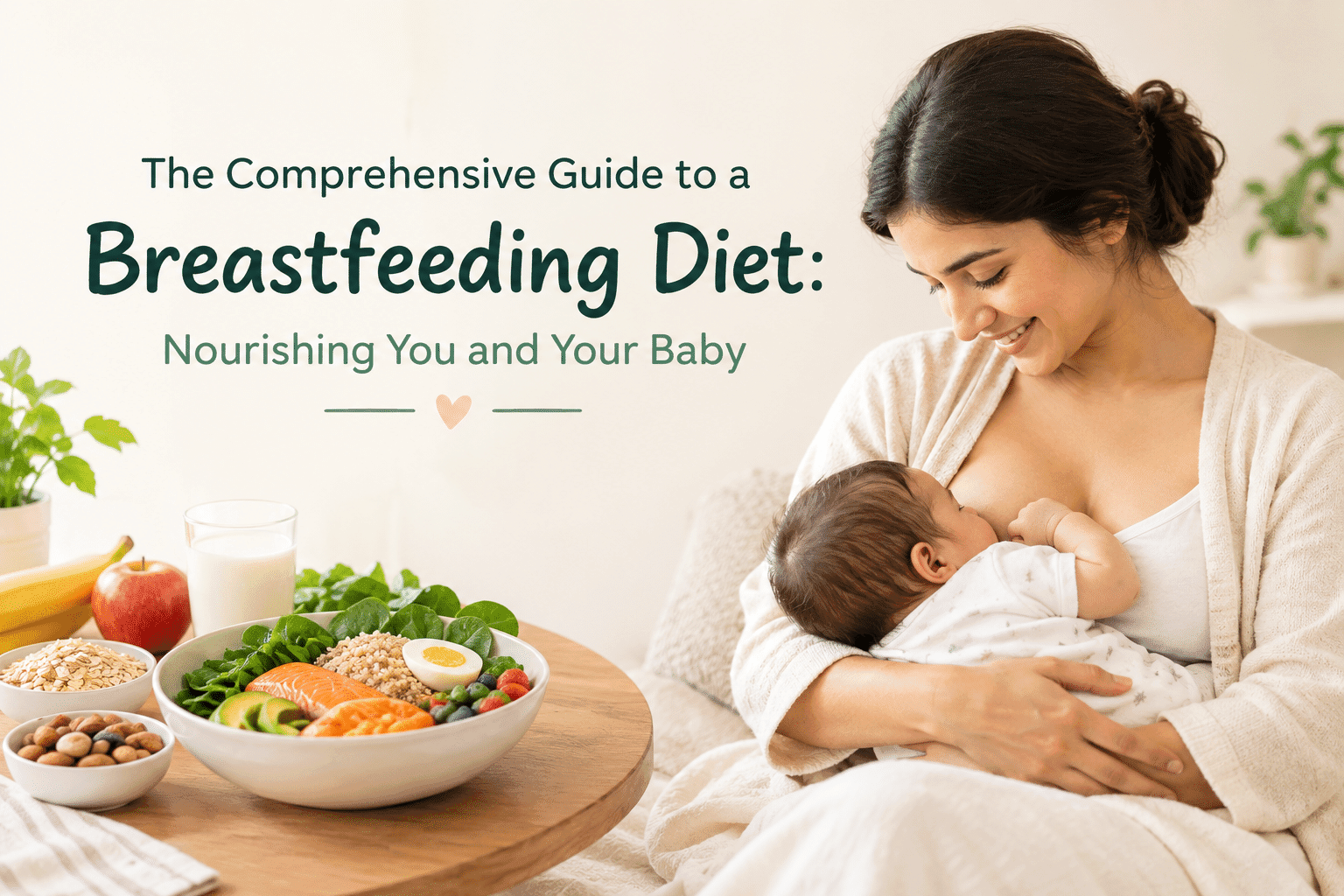
As a new mother, you may wonder: what foods should I eat to support breastfeeding? A well-planned breastfeeding diet is crucial for both you and your baby’s health. The Centers for Disease Control and Prevention (CDC) and the Academy of Nutrition and Dietetics recommend a balanced diet rich in essential nutrients to support lactation.
- Eat a variety of whole foods, including fruits, vegetables, whole grains, lean proteins, and healthy fats.
- Stay hydrated by drinking plenty of water and limiting sugary drinks.
- Consider incorporating galactagogues, such as oats and leafy greens, to support milk supply.
Introduction to Maternal Diet and Breastfeeding
A healthy diet during pregnancy and postpartum is vital for your baby’s growth and development. A well-nourished mother is better equipped to produce high-quality milk, which is essential for her baby’s health. The quality of your diet can impact your milk supply, so it’s essential to focus on nutrient-dense foods.
Key Nutrients for Breastfeeding
Protein, iron, calcium, and omega-3 fatty acids are essential nutrients for breastfeeding mothers. Include foods rich in these nutrients in your diet, such as lean meats, fish, eggs, dairy products, and leafy greens. Aim for 1.1-1.2 grams of protein per kilogram of body weight daily.
Food Sources and Recommended Daily Intake
Fatty fish like salmon and sardines are rich in omega-3 fatty acids, while dark leafy greens like spinach and kale are rich in iron and calcium. Nuts and seeds, such as almonds and chia seeds, are also good sources of healthy fats and protein.
Foods to Support Lactation and Milk Supply
Galactagogues, such as oats, leafy greens, and nuts, can help support milk supply. Oatmeal, in particular, is a popular choice among breastfeeding mothers due to its high fiber and iron content. Drinking plenty of water and limiting sugary drinks can also help with hydration and milk production.
Hydration Tips and Best Beverages
Aim to drink at least eight glasses of water per day, and consider incorporating lactation teas or coconut water into your diet. Avoid sugary drinks and caffeine, which can negatively impact milk supply.
Common Dietary Challenges and Solutions
Some mothers may experience lactation issues, such as low milk supply or plugged ducts. Dietary changes, such as increasing protein and healthy fat intake, can help alleviate these issues. For premature or special needs infants, a diet rich in nutrients like protein and omega-3 fatty acids can support their growth and development.
Additional Resources and Support
A well-planned breastfeeding diet is essential for both you and your baby’s health. By incorporating nutrient-dense foods, staying hydrated, and considering galactagogues, you can support your milk supply and provide your baby with the best possible start in life. For more information, visit the Academy of Nutrition and Dietetics website or consult with a healthcare professional.
Nutrition and Breastfeeding: A Long-Term Perspective
A healthy breastfeeding diet is not just important for the initial stages of lactation, but also for long-term health benefits. A well-nourished mother is more likely to have a healthy baby, and a balanced diet can help support the baby’s growth and development throughout infancy and beyond.
Meal Planning and Preparation
Planning and preparing healthy meals can be challenging, especially for new mothers. Consider meal prepping, batch cooking, and seeking support from family and friends to help with food preparation. A well-stocked pantry with whole foods and a variety of spices can also make meal planning easier.
Overcoming Common Obstacles
Many mothers face obstacles when it comes to breastfeeding, such as low milk supply, sore nipples, or difficulty latching. A well-planned breastfeeding diet can help alleviate some of these issues, but it’s also important to seek support from lactation consultants, healthcare professionals, and support groups.